

Key facts
| Area | 648.7 km² |
|---|---|
| Location and distance from Arusha | Northern Tanzania on the route from Arusha to the Ngorongoro Highlands, 112 km |
| Getting there | about 2.5 hours by safari vehicle from Arusha |
| Park fee per person per day | 50 USD (16 May to 14 March), 45 USD (15 March to 15 May). Children aged 5 to 15 years 15 USD, under 5 years free. Plus 18% VAT. |
| Best months | June to October |
| Typical wildlife | Elephants, lions, buffalo, hippos, flamingos |
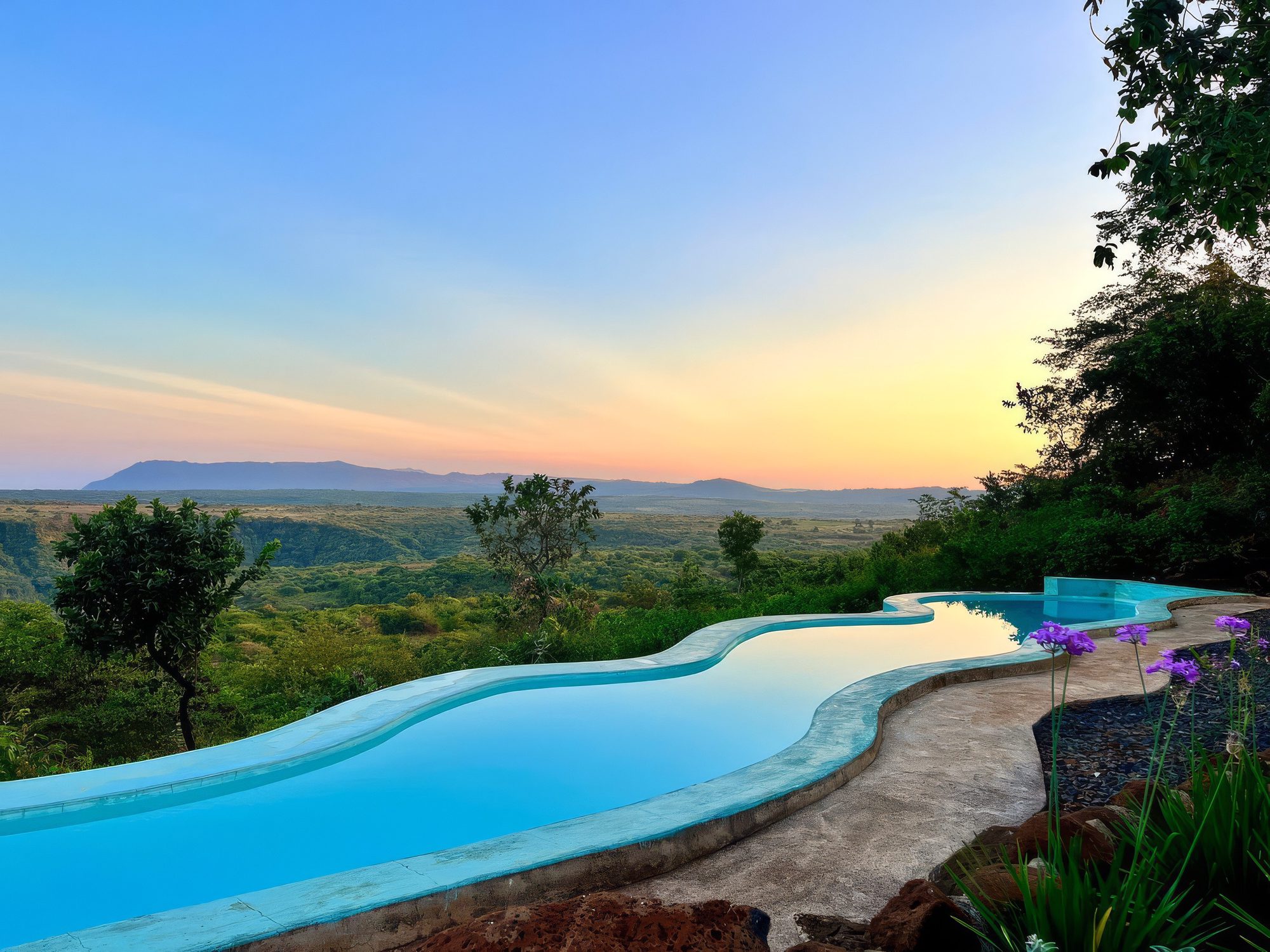
| Where to stay | Lake Manyara lodges |
Highlights and wildlife
The park lies between the escarpment of the East African Rift and the lake. Over short distances you move between dense groundwater forest, open grassland, swamp areas and the shore of the alkaline lake. Underground springs supply the forest with moisture all year round, so it stays green even in the dry season. Elephants often roam the forest in family groups and can frequently be observed at close range. Buffalo, giraffes, zebras, wildebeest and impalas keep to the open areas, hippos to the swamps. The well-known tree-climbing lions rest mainly in the acacias, a behaviour that is rare in Tanzania.
More than 400 bird species are recorded in the park, including large colonies of flamingos on the lake, pelicans, storks, ibises and numerous birds of prey. This makes Lake Manyara one of the best destinations for birdwatching in Tanzania. A special addition to the game drives is the canoe safari on the lake. From the water you view waterbirds, hippos and the shoreline vegetation from a new perspective, while the escarpment of the rift forms the backdrop. The lake covers a large part of the park and changes its extent with the season.
Best time to visit
The park can be visited all year round, as the wildlife is present regardless of the season. The most suitable months are June to October: in the dry season many animals gather close to the waterholes, and visibility is good. In the rainy season the park is particularly green and lush, and birdlife reaches its peak. If you are mainly interested in scenery and birdwatching, this is the ideal time to go.
| Month | Weather | Wildlife |
|---|---|---|
Dry season, good visibility | ||
Green and lush |
Fees and rules
The park fee is 50 USD per person per day from 16 May to 14 March and 45 USD from 15 March to 15 May. Children aged 5 to 15 pay 15 USD, children under 5 are free of charge. 18% VAT is added to all figures. These come from the TANAPA tariff and still apply, according to Wildfinder.
Getting there and combinations
The park lies 112 km from Arusha on the route towards the Ngorongoro Highlands; the drive in a safari vehicle takes about 2.5 hours. Lake Manyara is often the first park on a route through the north before continuing to the other areas. You can follow it up with Tarangire National Park, whose open savannahs and large elephant herds contrast with the dense vegetation. The Ngorongoro Crater with its high density of wildlife and the Serengeti also complement the visit well, creating a varied route through different landscapes.
Trips through the park
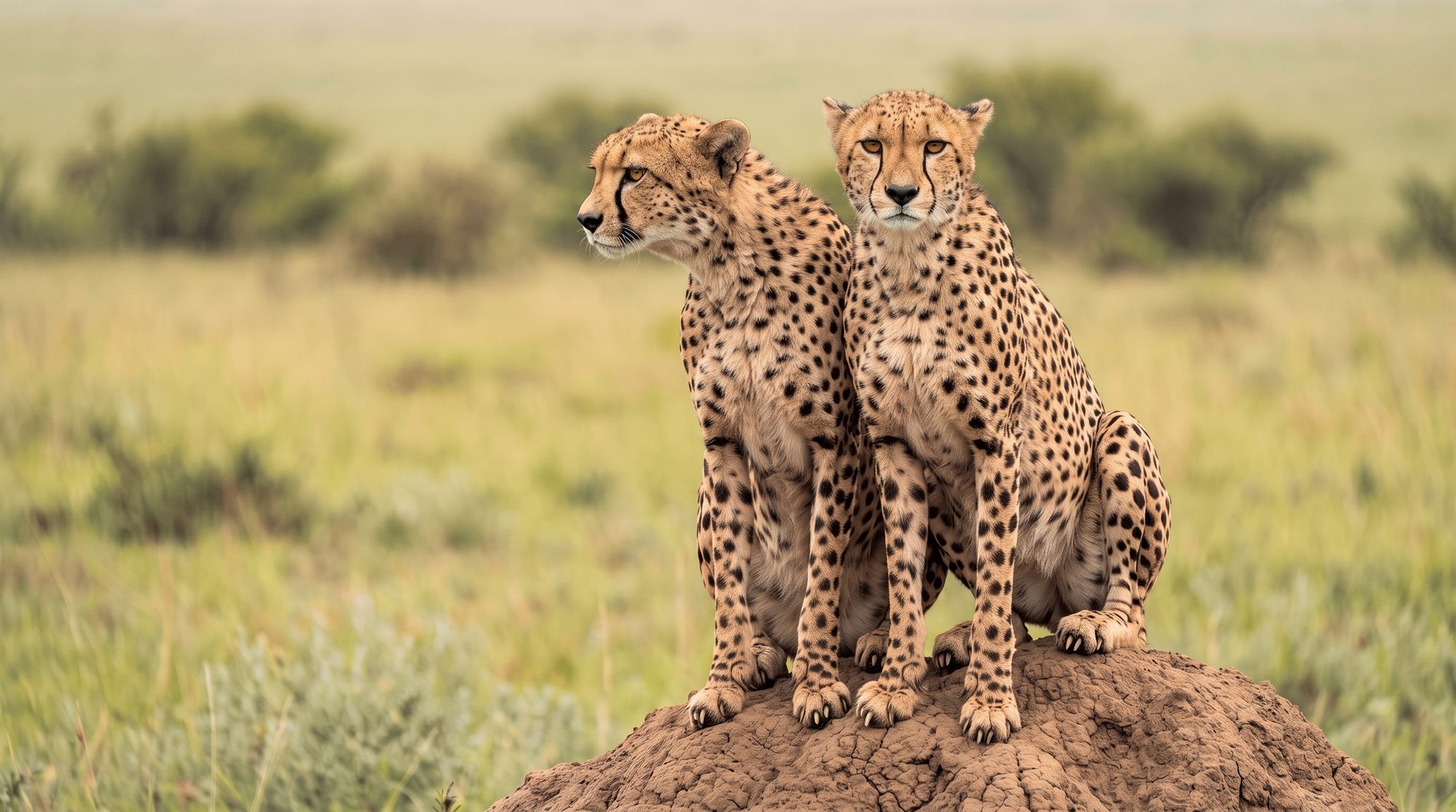
12-Day Classic Tanzania Safari
from 3,354 USD per personfor 6 people
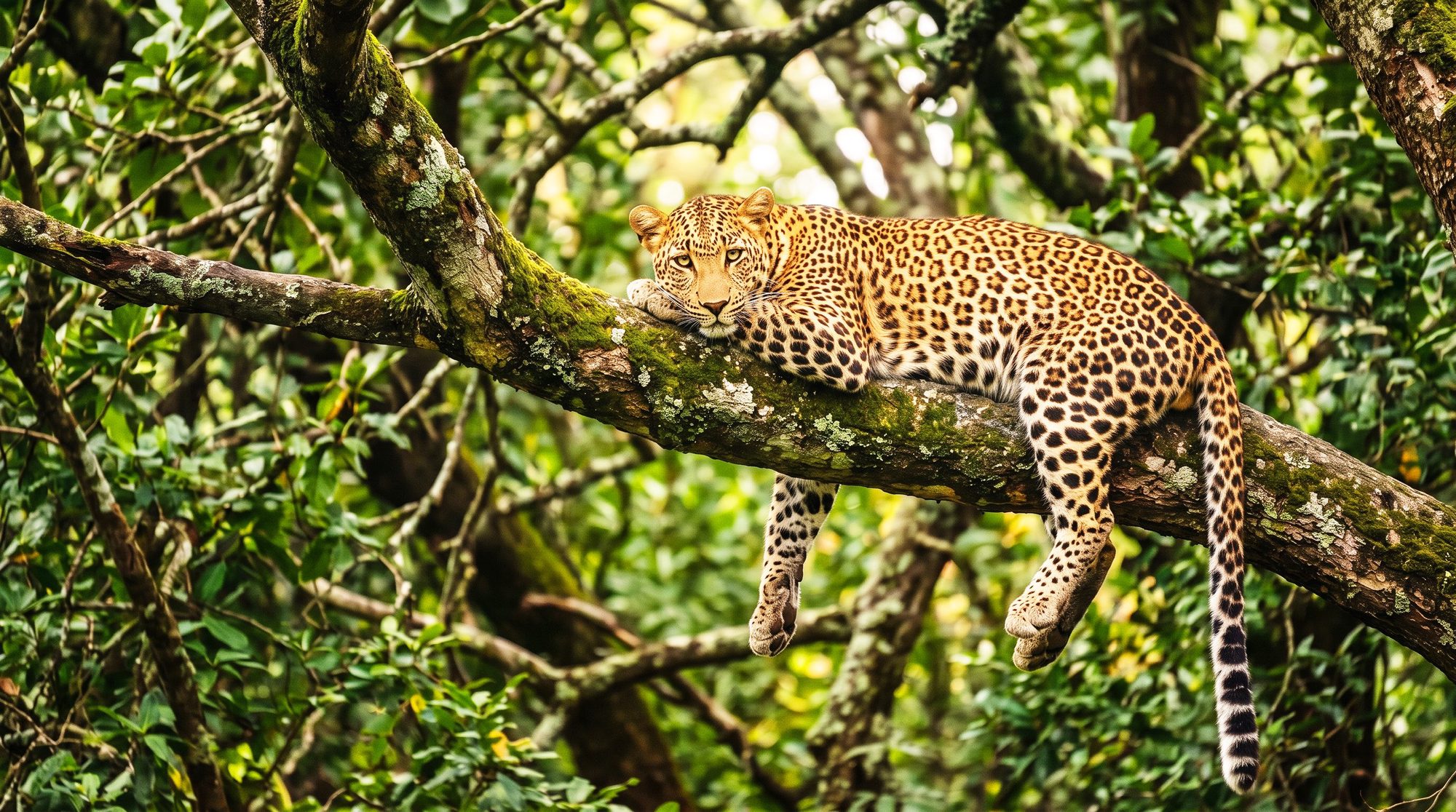
14-Day Big 5 Safari & Zanzibar
from 3,322 USD per personfor 6 people
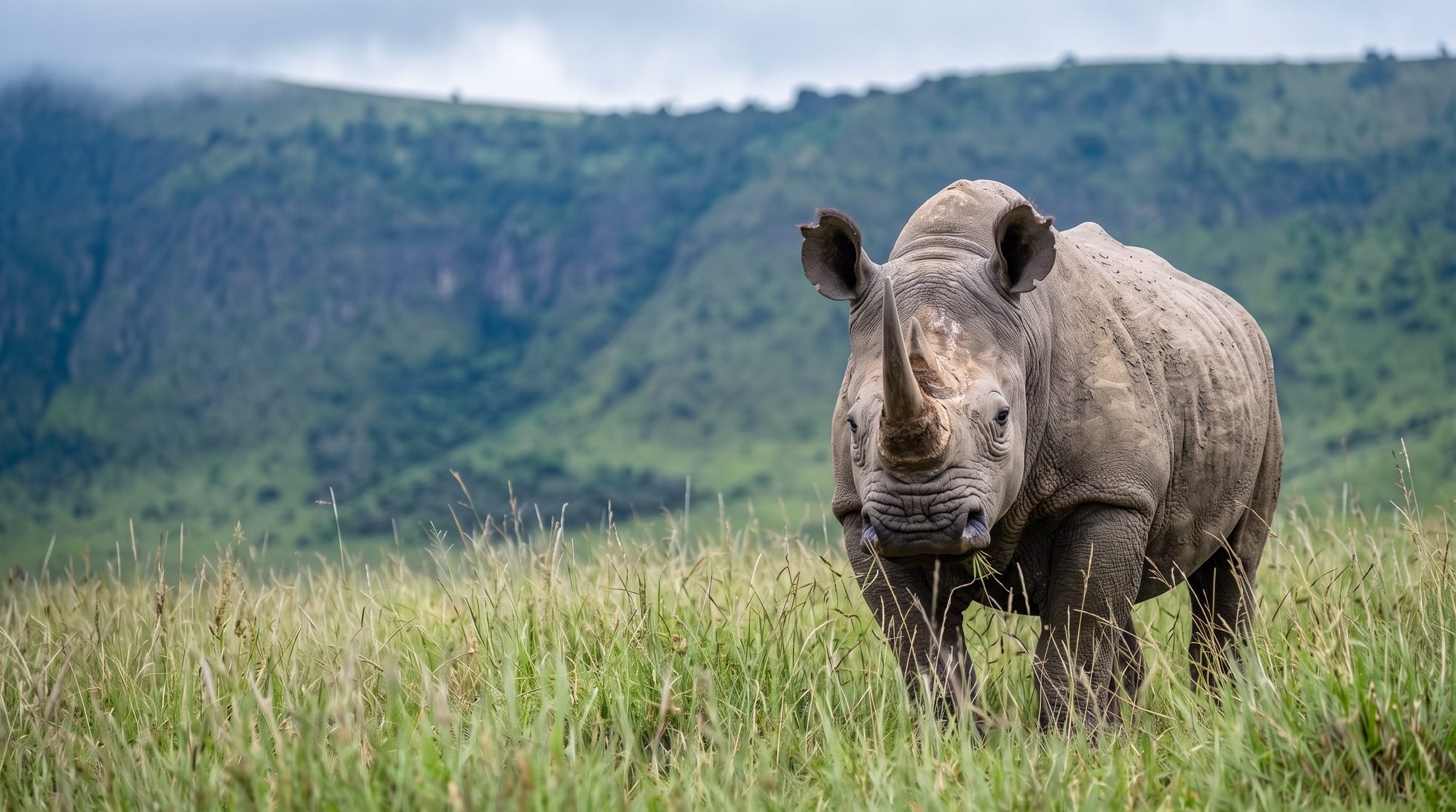
7-Day Big 5 Safari in Tanzania
from 2,546 USD per personfor 6 people
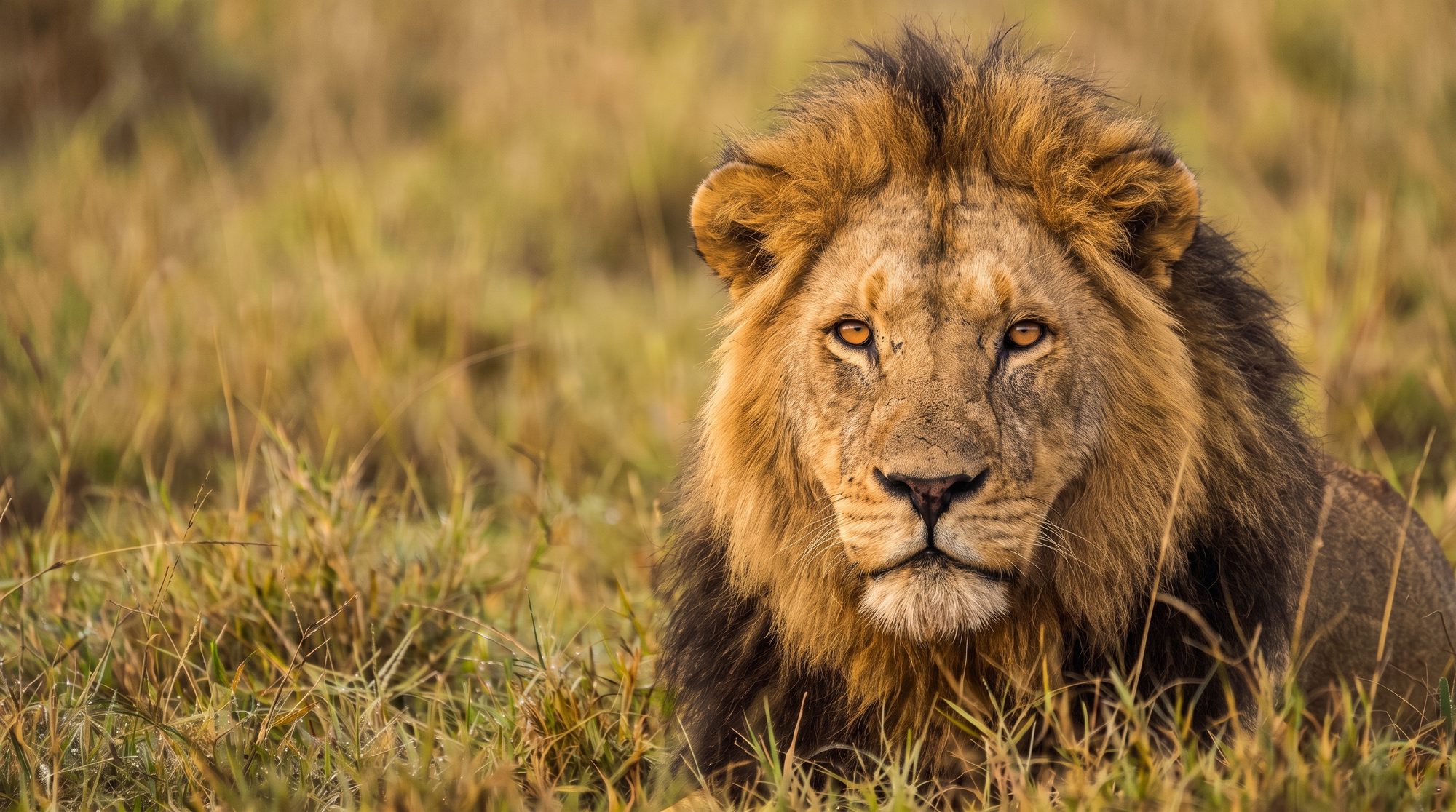
14-Day Premium Big 5 Safari
from 4,327 USD per personfor 6 people
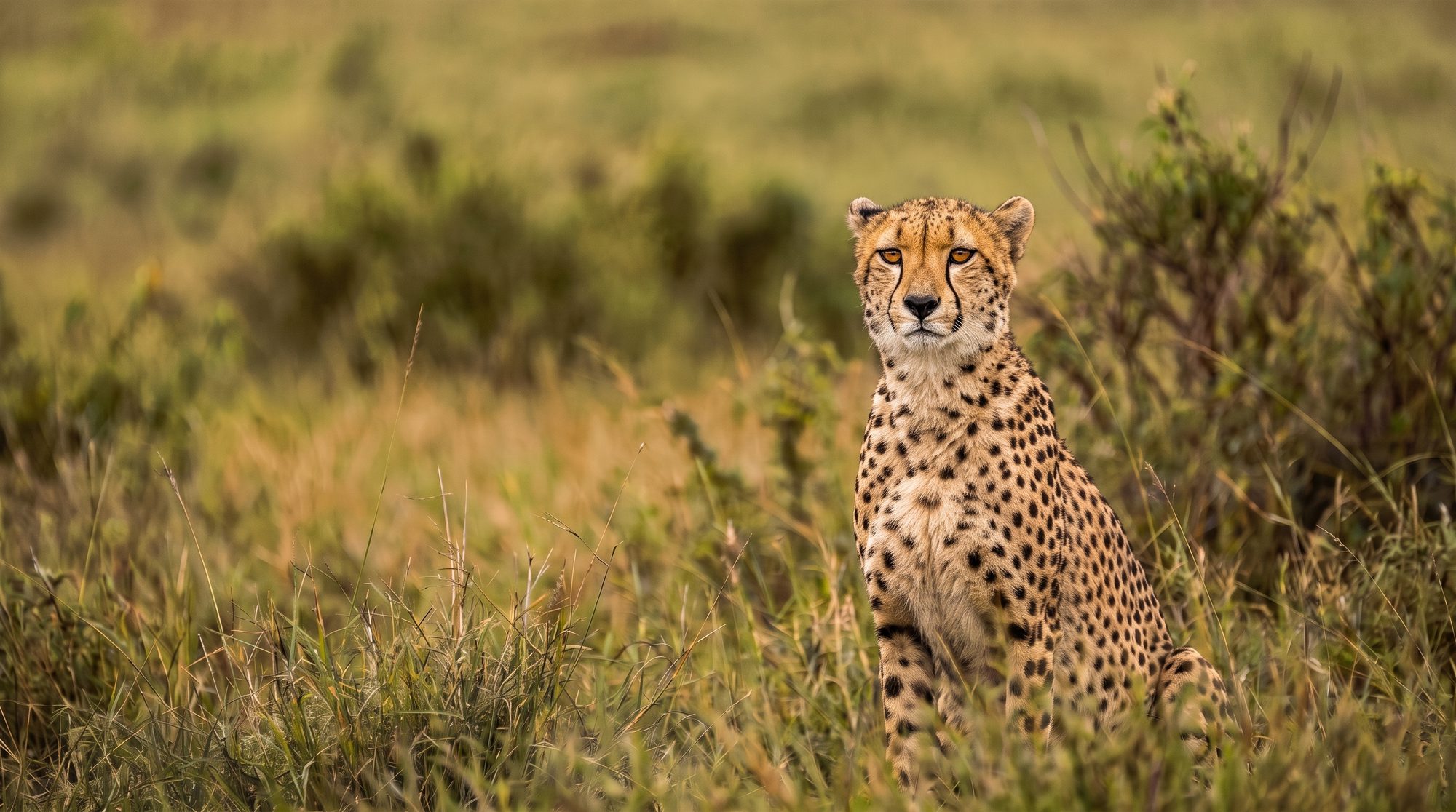
14-Day Honeymoon Safari in Tanzania & Zanzibar
from 3,104 USD per personfor 2 people
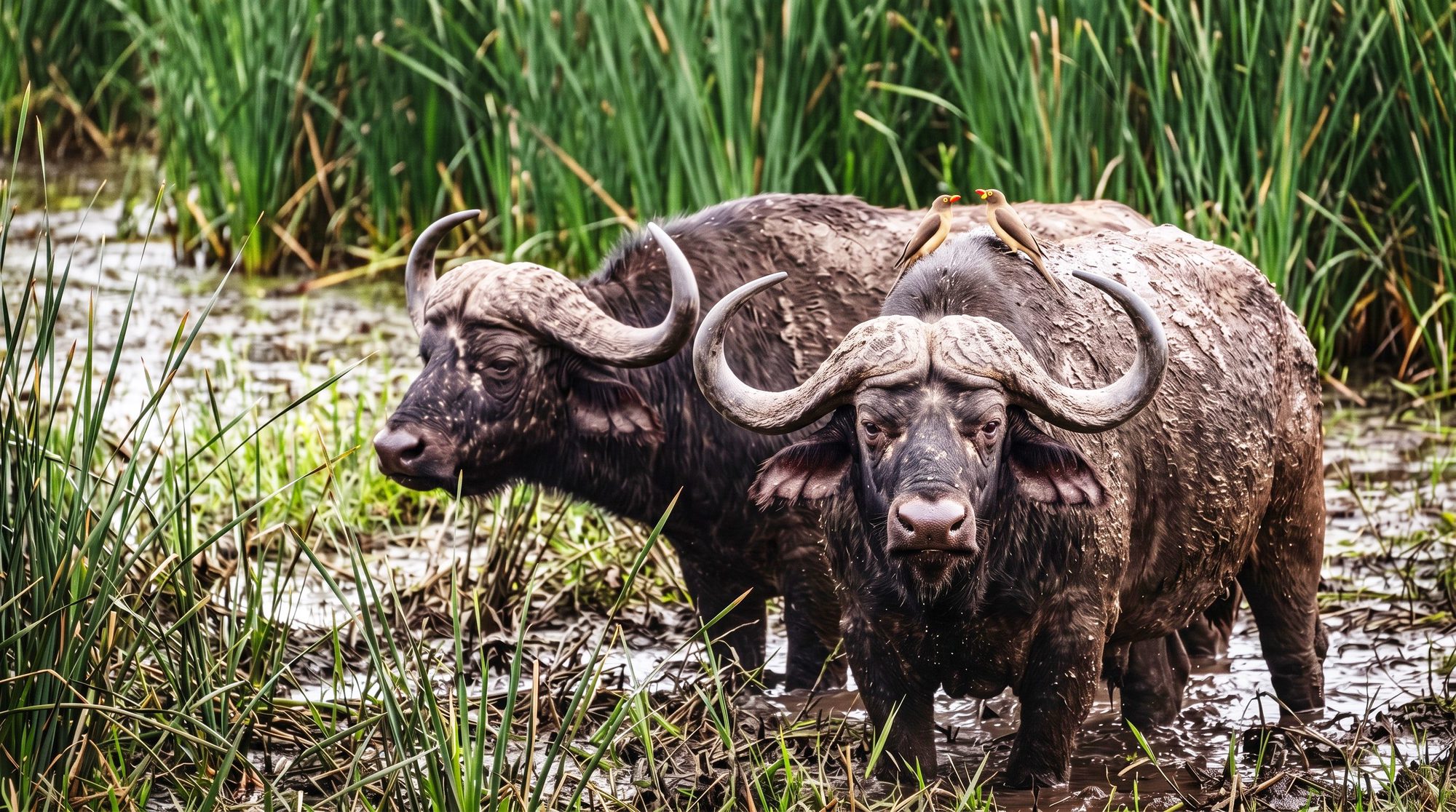
14-Day Safari & Zanzibar Mix
from 2,768 USD per personfor 6 people


Accommodation in the region
All accommodation in the region: Lake Manyara Lodges
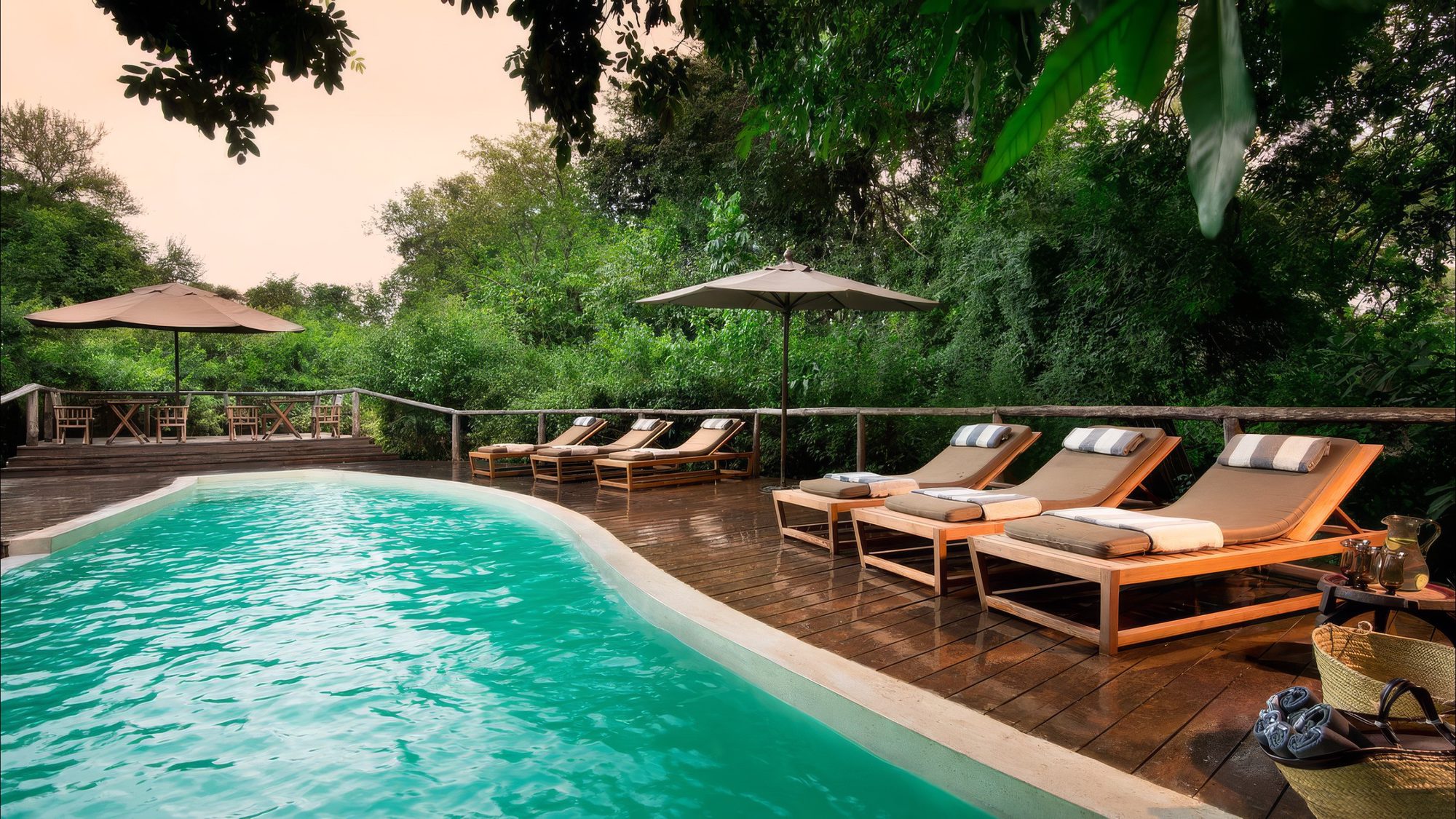 Exclusive
Andbeyond Lake Manyara Tree Lodge
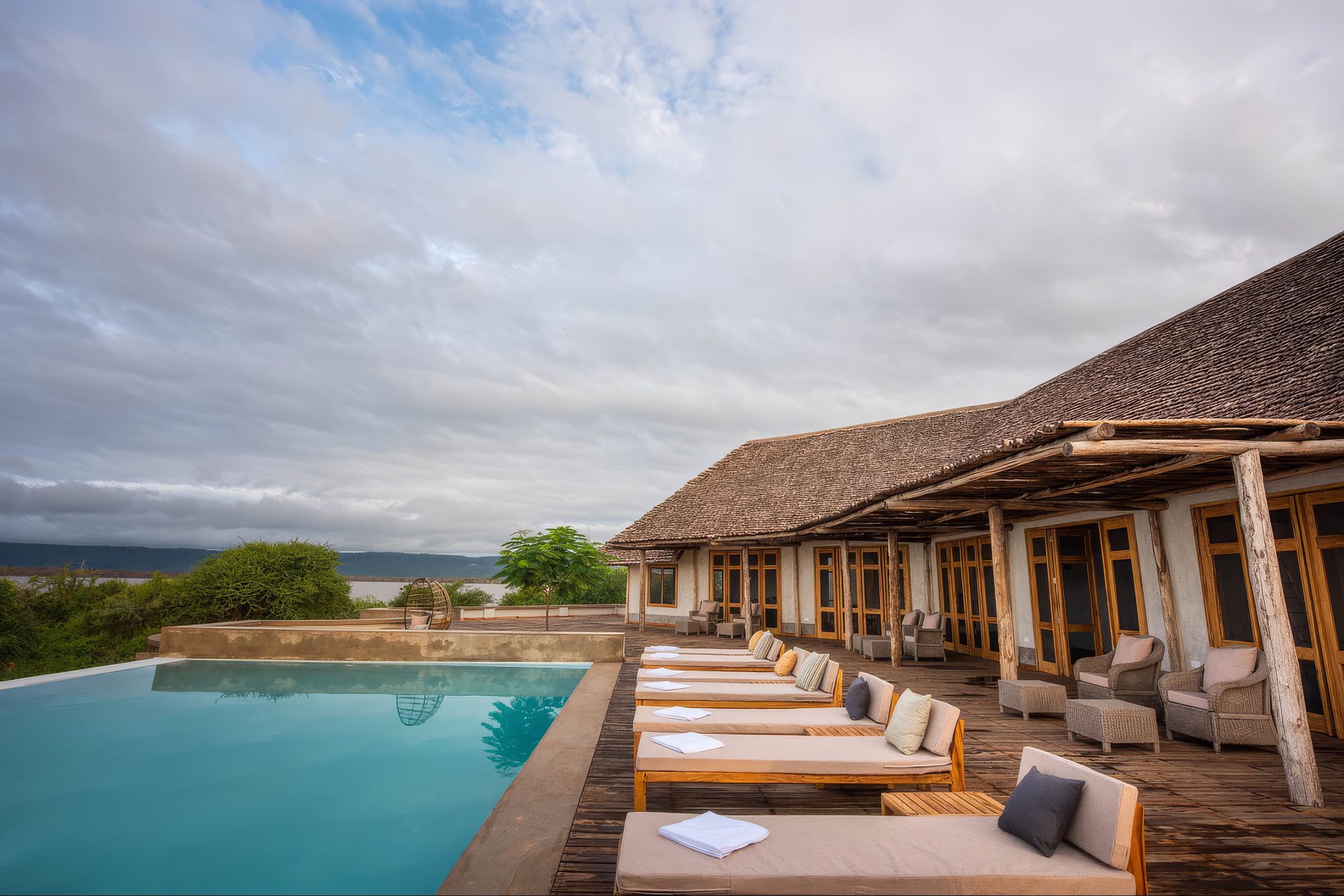 Exclusive
Manyara's Secret
 Classic
Mawe Mawe Manyara Lodge