
Key facts
| Area | around 260 km² |
|---|---|
| Location and distance from Arusha | Northern Tanzania in the Ngorongoro Conservation Area, 155 km to the protected area |
| Getting there | about 3.5 hours by safari vehicle from Arusha |
| Park fee per person per day | 70.80 USD per 24 hours; children aged 5 to 15 years 23.60 USD; incl. 18% VAT; crater fee 295 USD per vehicle and descent |
| Best months | All year round, especially June to October |
| Typical wildlife | Lions, black rhinos, elephants, buffalo, wildebeest |
| Where to stay | Ngorongoro lodges |
Highlights and wildlife
You drive into a caldera around 260 km² in size, the crater rim always in view. The walls rise up to 600 metres, and the diameter is about 19 to 21 kilometres. The crater was formed two to three million years ago when a huge volcano collapsed in on itself. Today it is considered the largest intact caldera in the world. On the floor, open grassland, patches of forest, swamps and an alkaline lake alternate. The walls are forested and form a strong contrast to the open crater floor. Because the steep slopes clearly enclose the habitat, many animals stay in the crater all year round. The result is a self-contained ecosystem with one of the highest densities of wildlife in Africa.
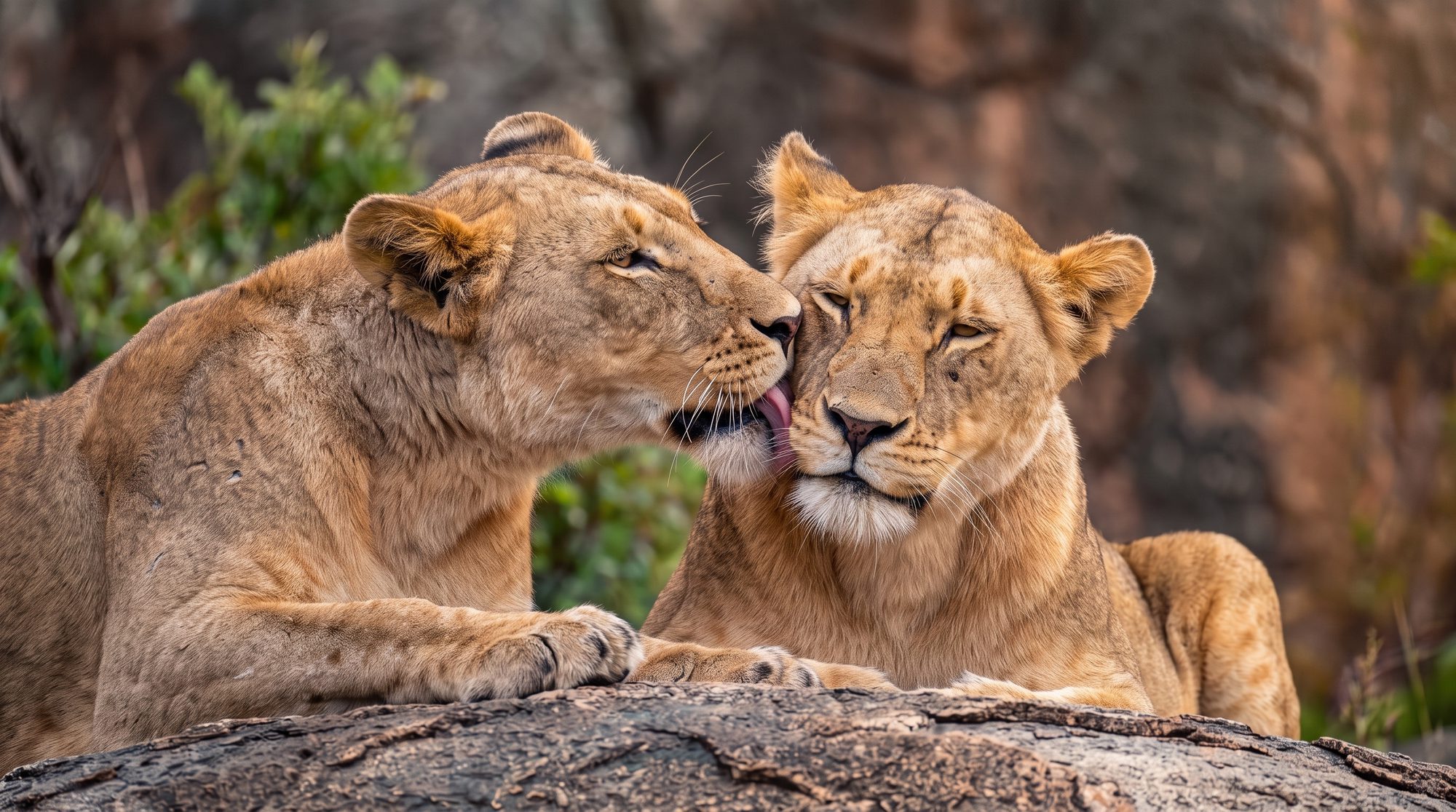
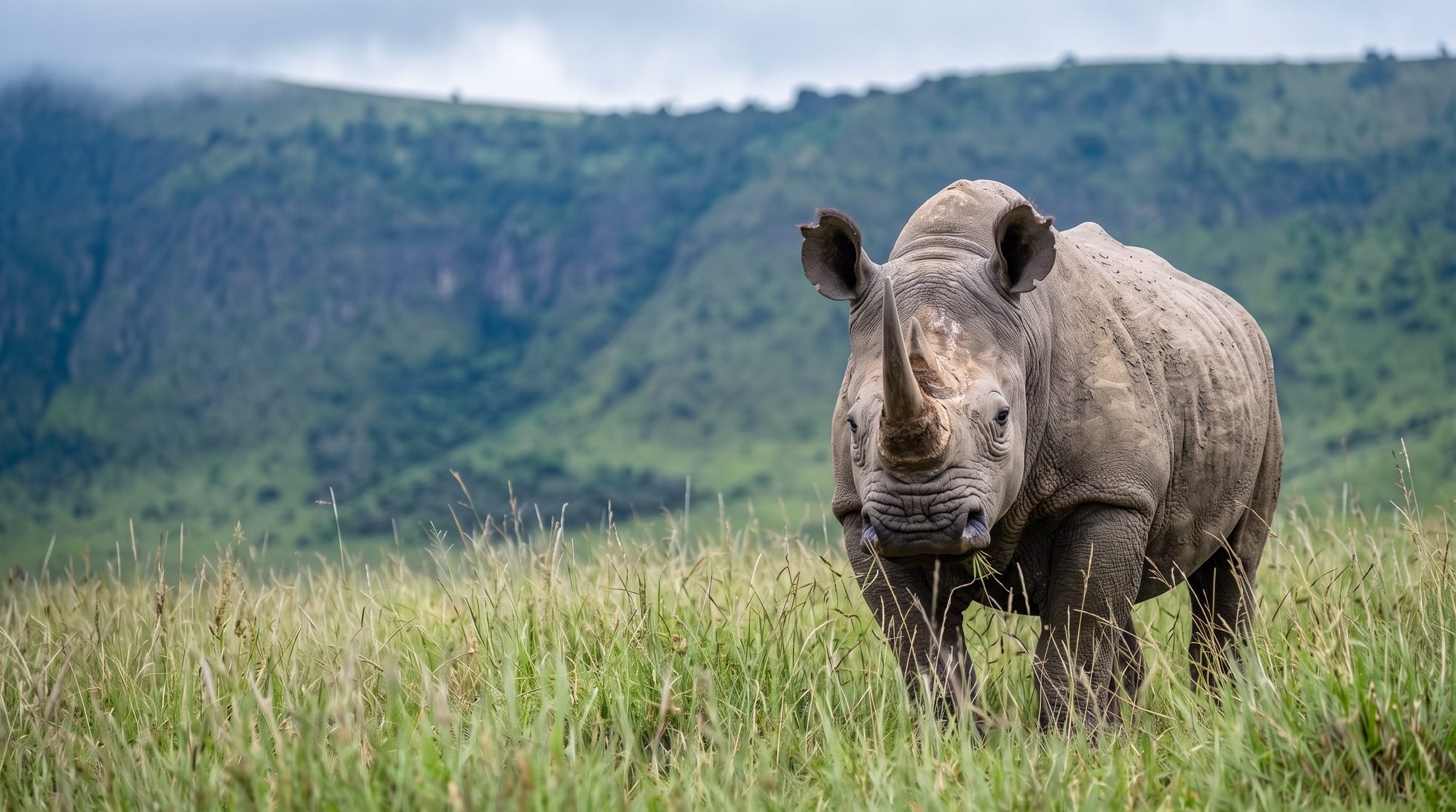
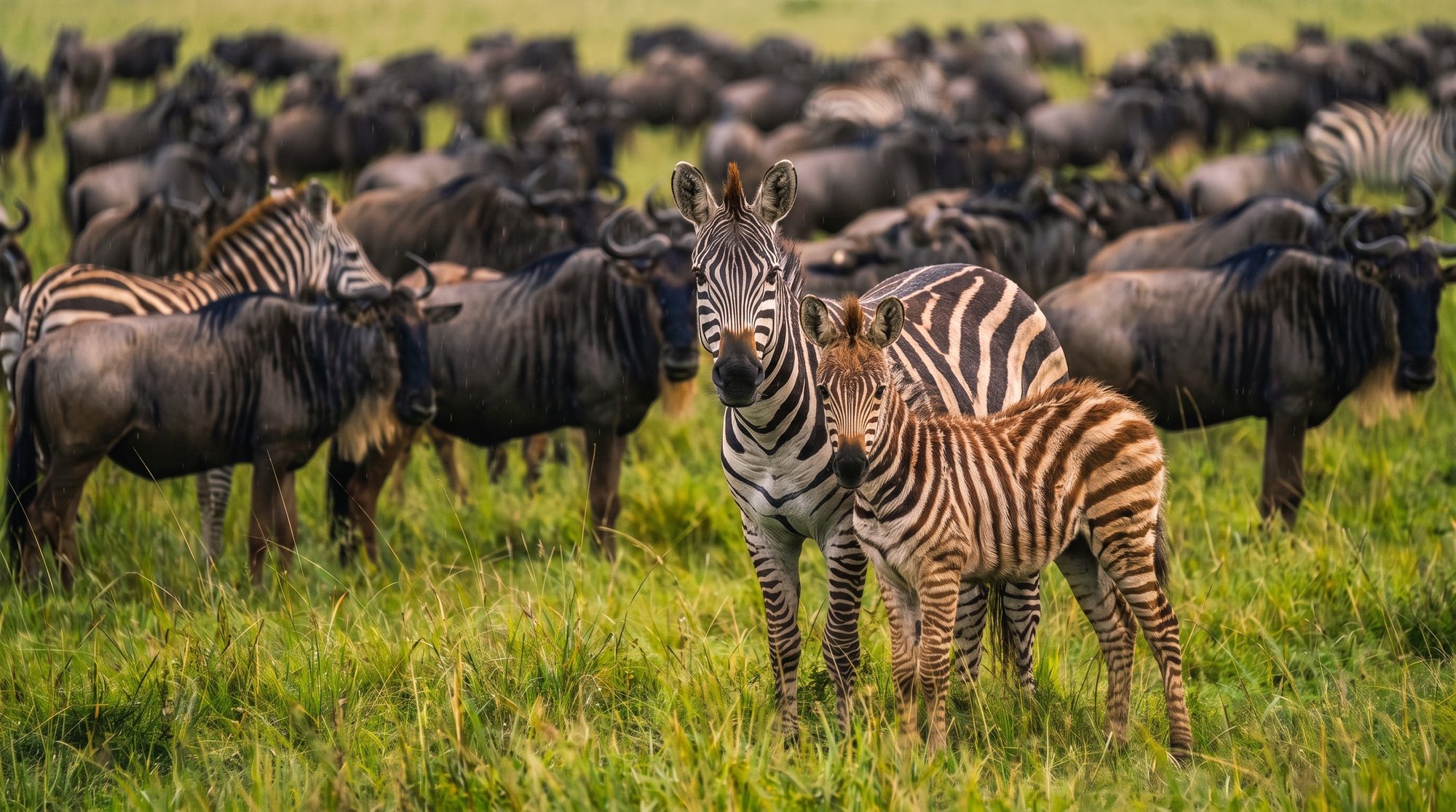
Lions live in the crater in small and medium-sized prides and can be observed well in the open landscape. The elephants are mostly large old bulls; buffalo move through the grassland in herds, and zebras, wildebeest and numerous antelope species dominate the scene. Hippos lie in the Ngoitokitok Swamp and at other waterholes, and depending on the water level, large flocks of flamingos gather at the alkaline lake. More than 400 bird species are recorded in the crater and on its slopes. The endangered black rhinoceros also lives here, and the white rhinoceros can now be found in the crater too.
Best time to visit
You can visit the crater at any time of year, as most animals live there permanently and do not migrate away. The dry season runs from June to October. Visibility is especially clear then, and many animals gather at the waterholes and swamps. In the rainy seasons, the landscape turns a rich green. The density of wildlife remains high even then, because the steep slopes keep the herds inside the crater. In short, the Ngorongoro Crater is considered one of Africa’s most reliable destinations for wildlife viewing, regardless of the month you travel. In the dry season you can photograph in clear light, in the rainy season against a green backdrop.
| Month | Weather | Animals |
|---|---|---|
Dry season, clear visibility | ||
Green vegetation |
Fees and rules
The costs are straightforward. The park fee is 70.80 USD per person per 24 hours, and 23.60 USD for children aged 5 to 15. Both amounts include 18% VAT. On top of this comes the crater fee of 295 USD per vehicle per descent, which is charged for every entry onto the crater floor. You cannot stay overnight on the protected crater floor itself. Your accommodation is on the crater rim or in the surrounding area, for example in Karatu. From there, you set off in the morning for the descent into the crater and reach the animals early.
Getting there and combinations
You travel from Arusha by safari vehicle into the Ngorongoro Conservation Area. It is 155 km to the conservation area, and the drive takes about 3.5 hours. The crater combines well with three parks in the north. The Serengeti complements the crater’s high density of wildlife with vast savannahs and the Great Migration. Tarangire National Park is known for its elephant herds and baobab landscapes. Lake Manyara National Park adds another contrast with its dense groundwater forest and alkaline lake. This creates a varied route through very different habitats.
Trips through the park
7-Day Serengeti & Ngorongoro Crater Safari
from 2,378 USD per personfor 6 people
12-Day Classic Tanzania Safari
from 3,354 USD per personfor 6 people
14-Day Big 5 Safari & Zanzibar
from 3,322 USD per personfor 6 people
11-Day Great Migration Northern Serengeti
from 4,178 USD per personfor 6 people
7-Day Big 5 Safari in Tanzania
from 2,546 USD per personfor 6 people
11-Day Great Migration Southern Serengeti
from 3,738 USD per personfor 6 people


Accommodation in the region
All accommodation in the region: Ndutu Lodges
All accommodation in the region: Ngorongoro Lodges
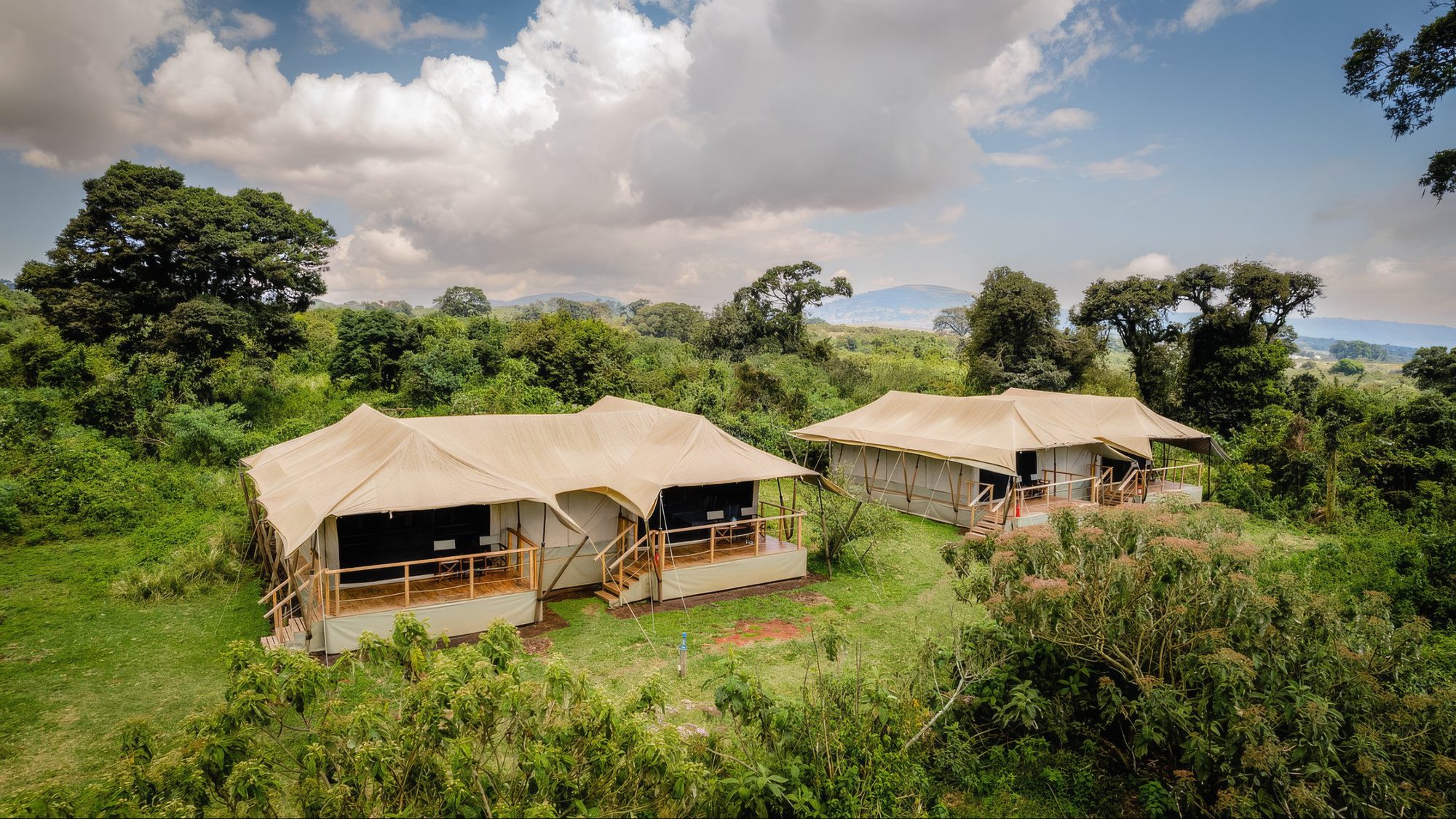 Premium
Ang’ata Ngorongoro Camp
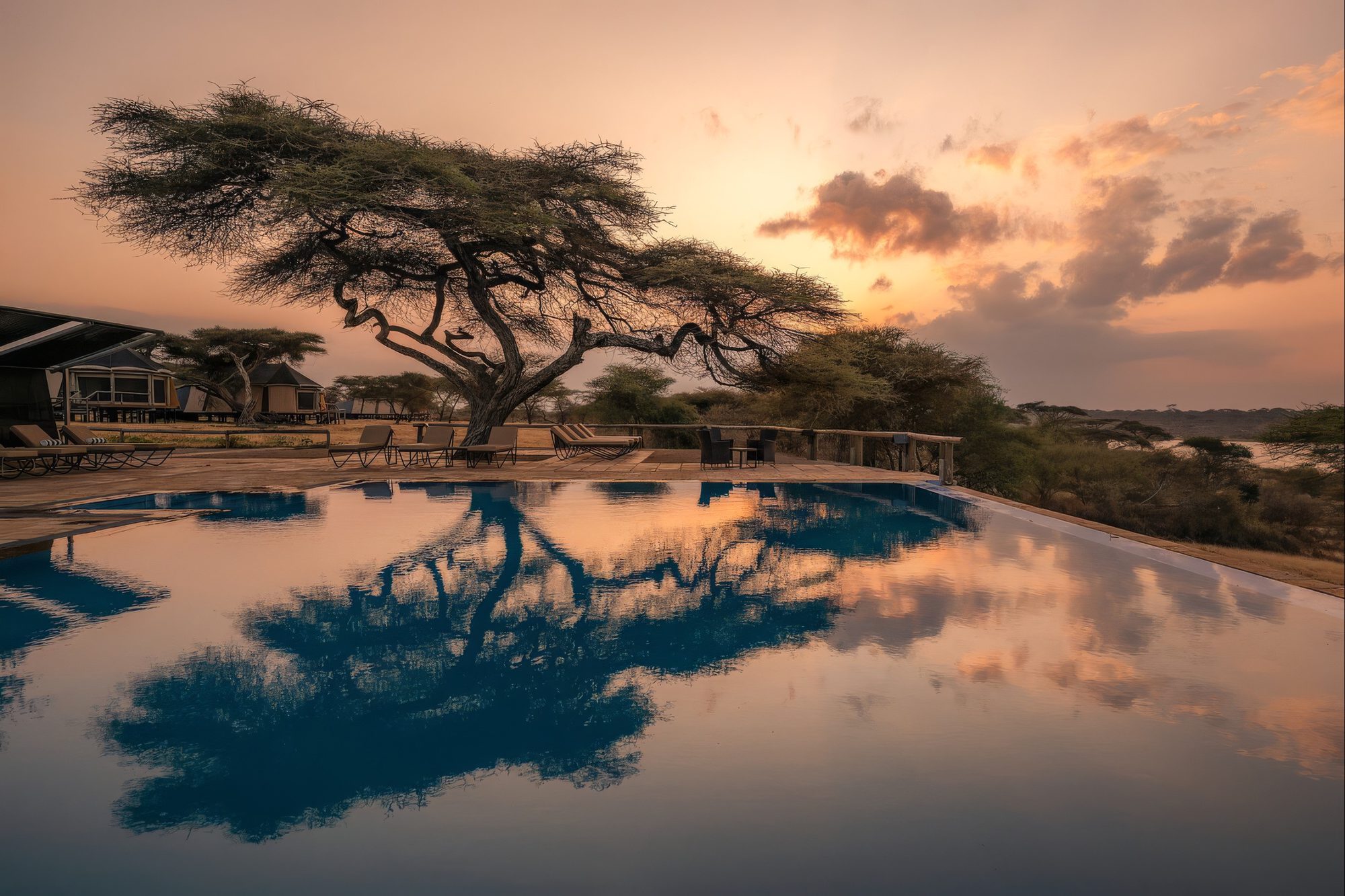 Exclusive
Lake Masek Luxury Tented Lodge