
Key facts
| Area | around 15,000 km² |
|---|---|
| Location and distance from Arusha | Northern Tanzania, 255 km to Naabi Gate, 305 km to Seronera |
| Getting there | about 6.5 hours to Naabi Gate by vehicle, alternatively by domestic flight |
| Park fee per person per day | 70 USD (16 May to 14 March), 60 USD (15 March to 15 May); children aged 5 to 15 years 20 USD, under 5 years free; plus 18% VAT. |
| Best months | all year round, June to October for the dry season, December to March for the Ndutu region in the south, calving from January to March |
| Typical wildlife | Lions, wildebeest, zebras, elephants, cheetahs |
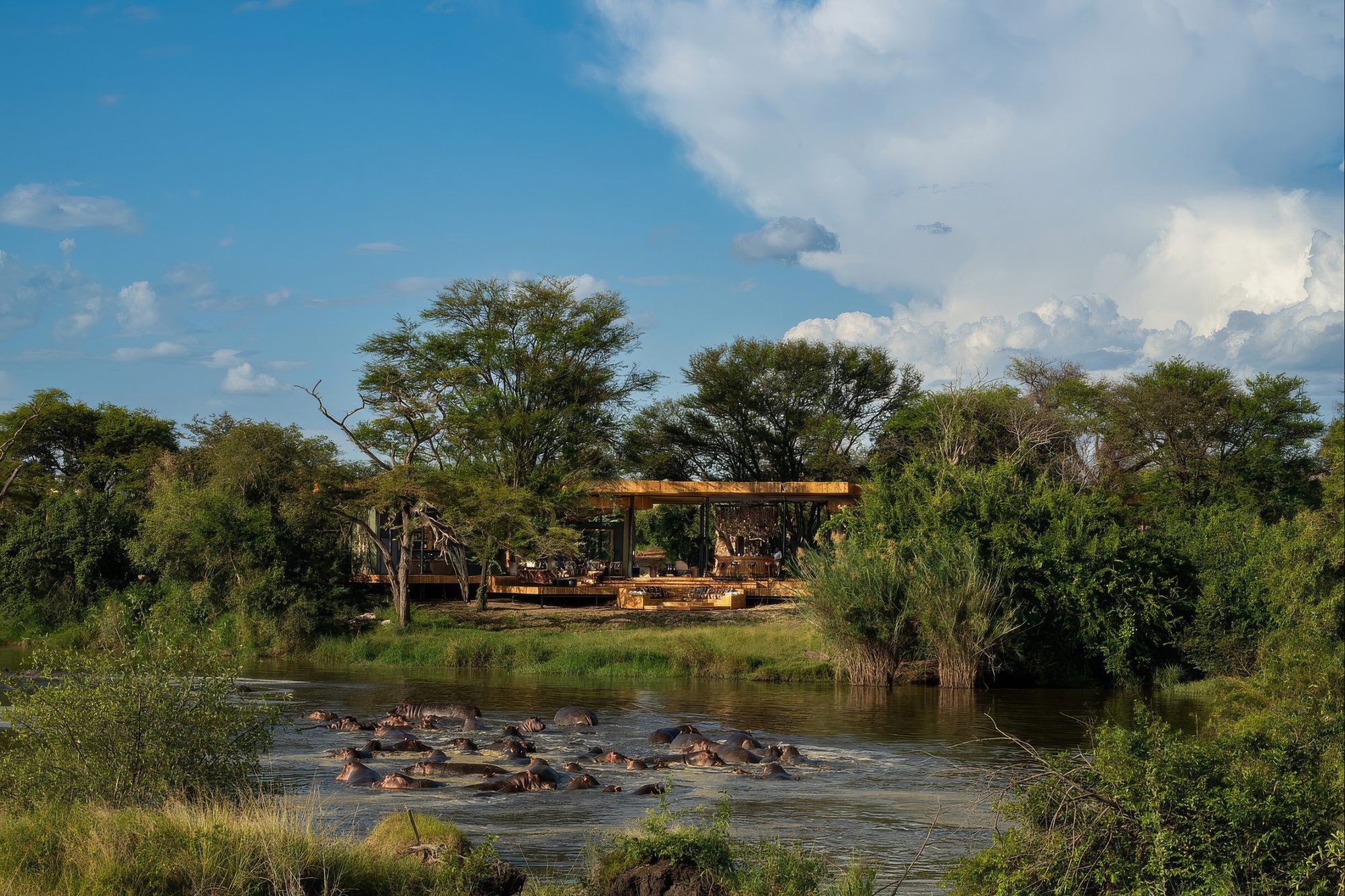
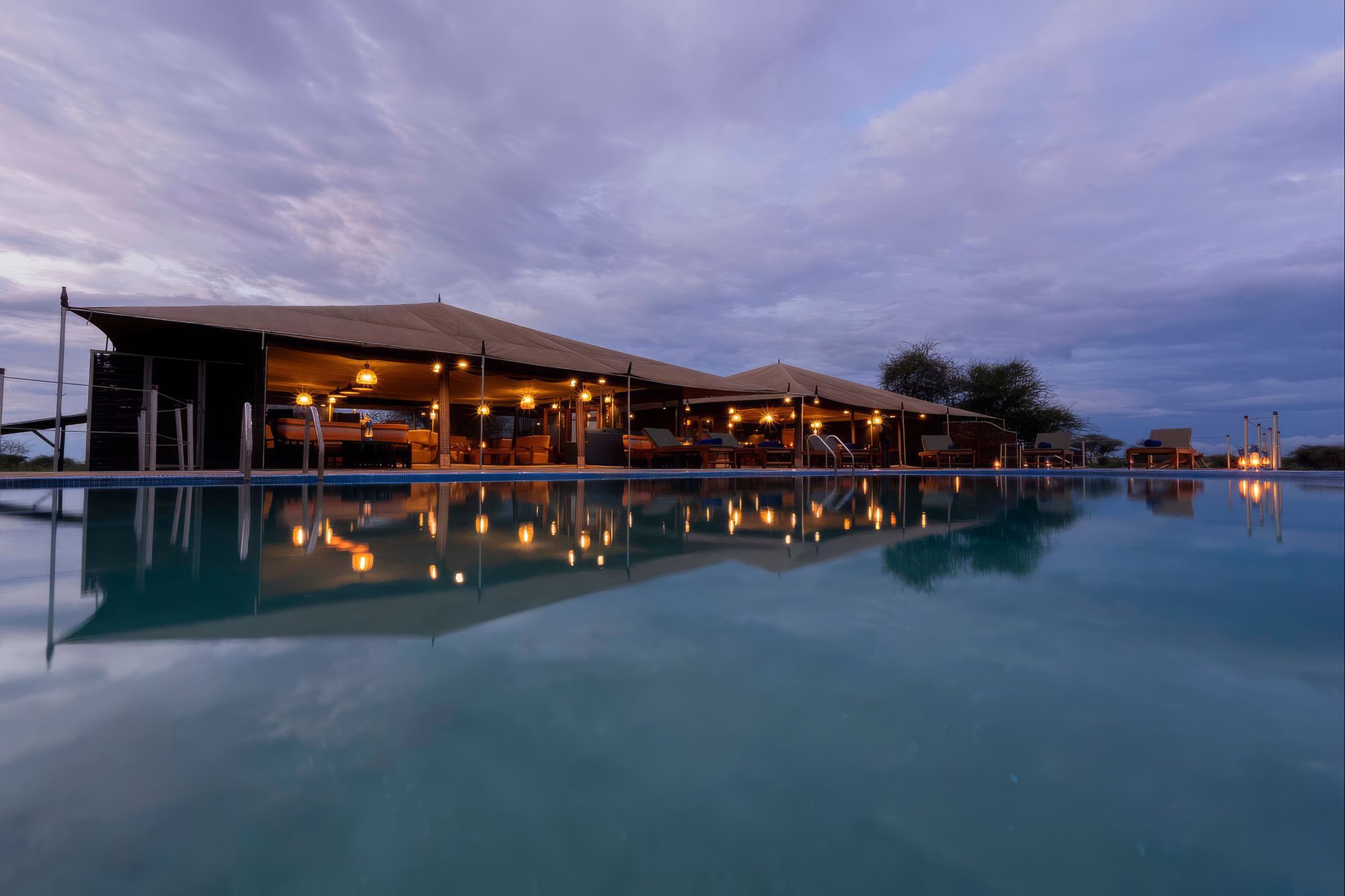
| Where to stay | Lodges Serengeti North, Central and West, Ndutu |
Highlights and wildlife
The name Serengeti comes from the language of the Maasai and means ’endless land’. In the south you cross vast, open grasslands that offer space for large herds in the rainy season. Around Seronera in the centre, river valleys, acacia landscapes and striking rock formations alternate; here, wildlife is particularly abundant all year round. In the west lies the Western Corridor with denser vegetation and several river systems. The north is hillier and more dominated by bush. This diversity of landscape zones is one reason for the high density of animals throughout the park.
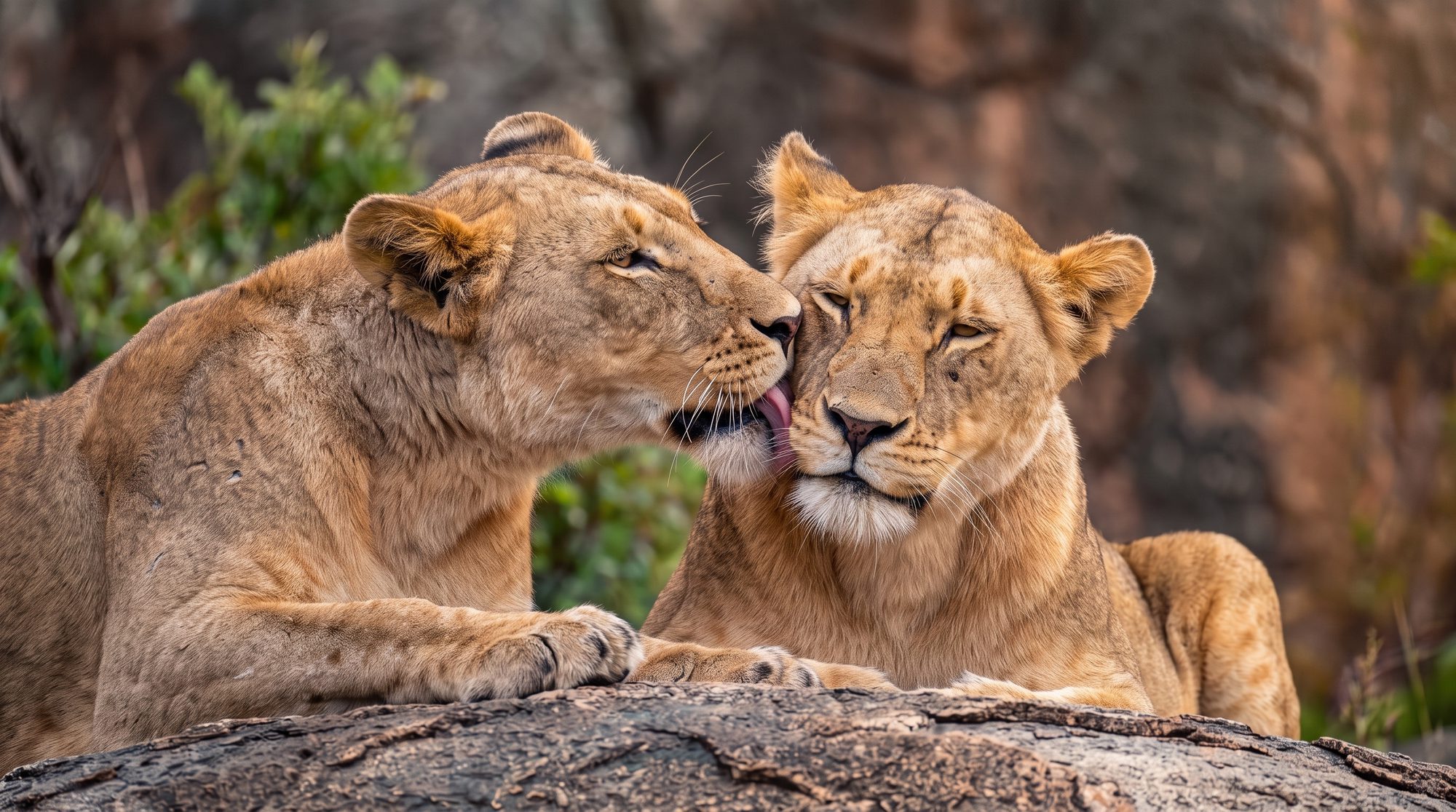
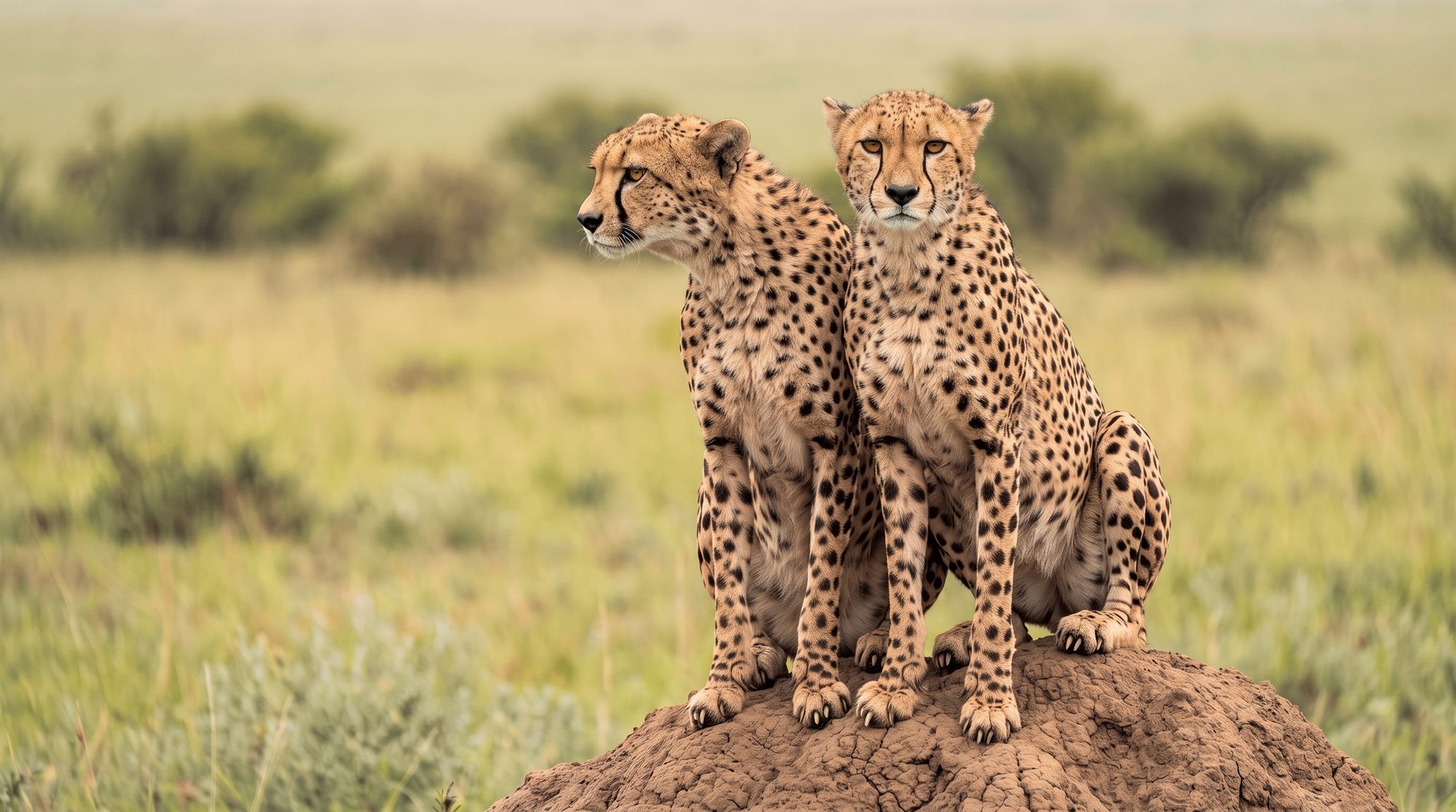
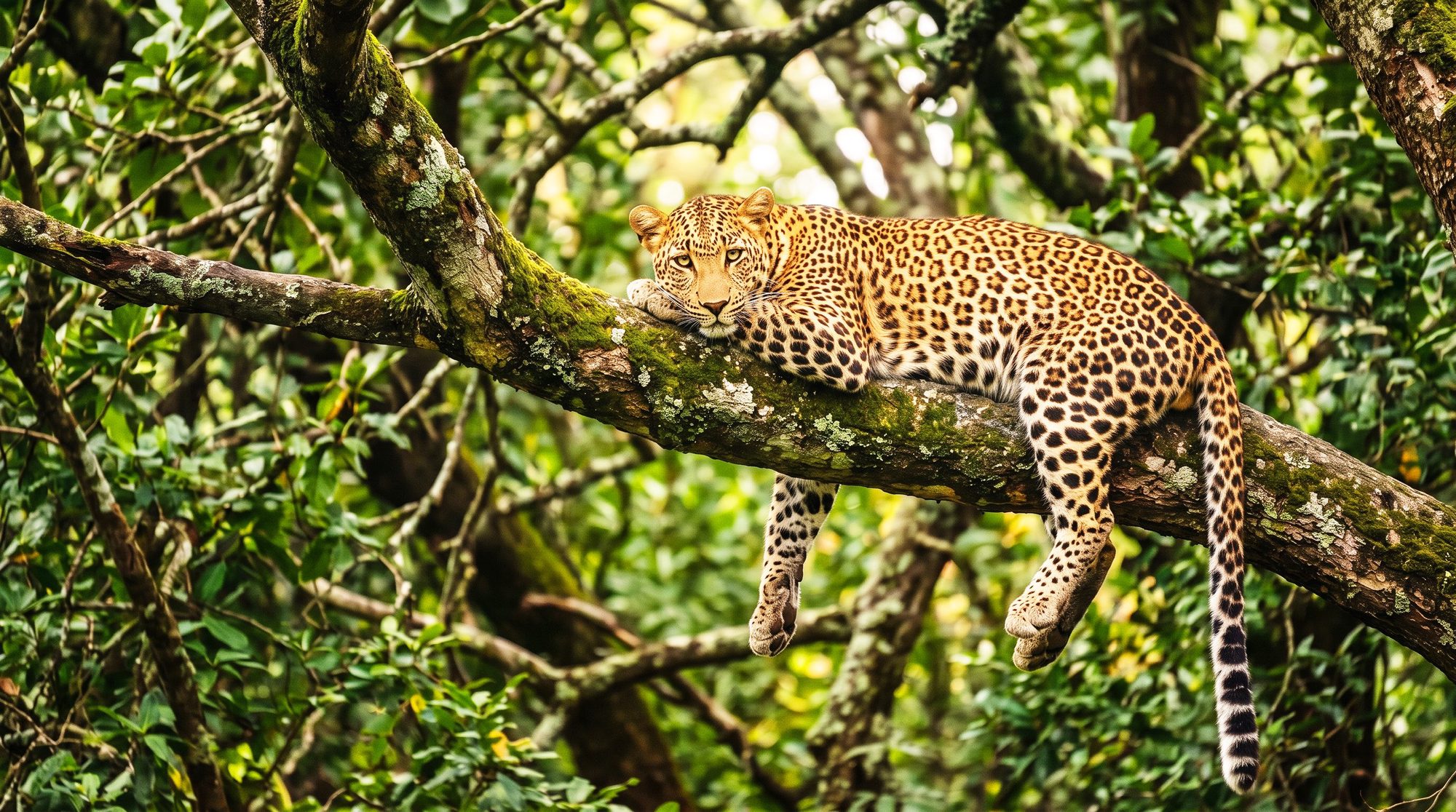
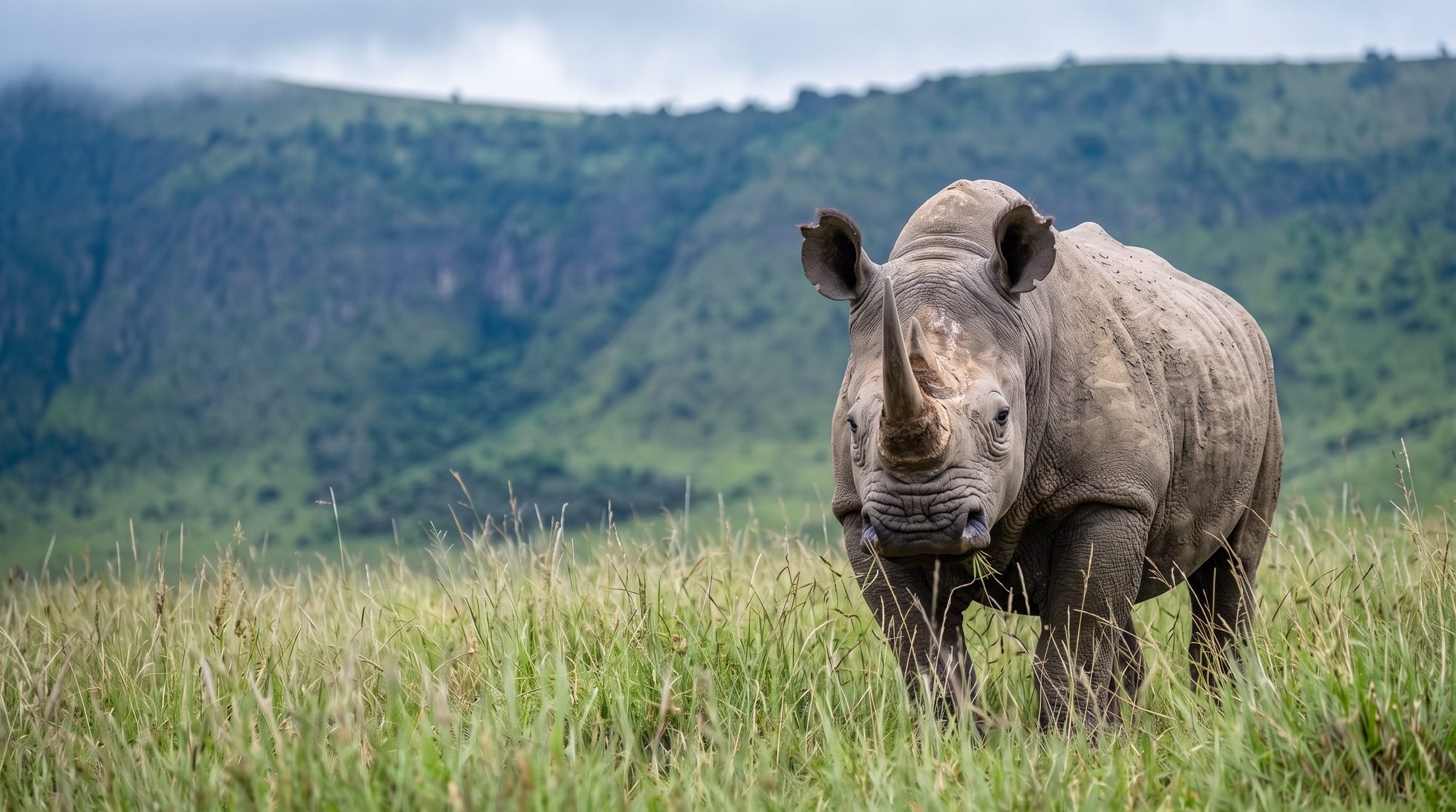
Several thousand lions live in the park, leopards are often found along the rivers and at the rock formations, and cheetahs hunt in the open plains. Hyenas and jackals are also frequently seen. Wildebeest and zebras move through the Serengeti in huge herds on their great migration. Elephants and buffalo herds are as much part of the picture as giraffes, topis, hartebeests and gazelles. Hippos and Nile crocodiles live in the rivers. More than 500 bird species are recorded, including martial eagles, secretary birds, ostriches and crowned cranes. With a great deal of luck you may even see a rhino.
Best time to visit
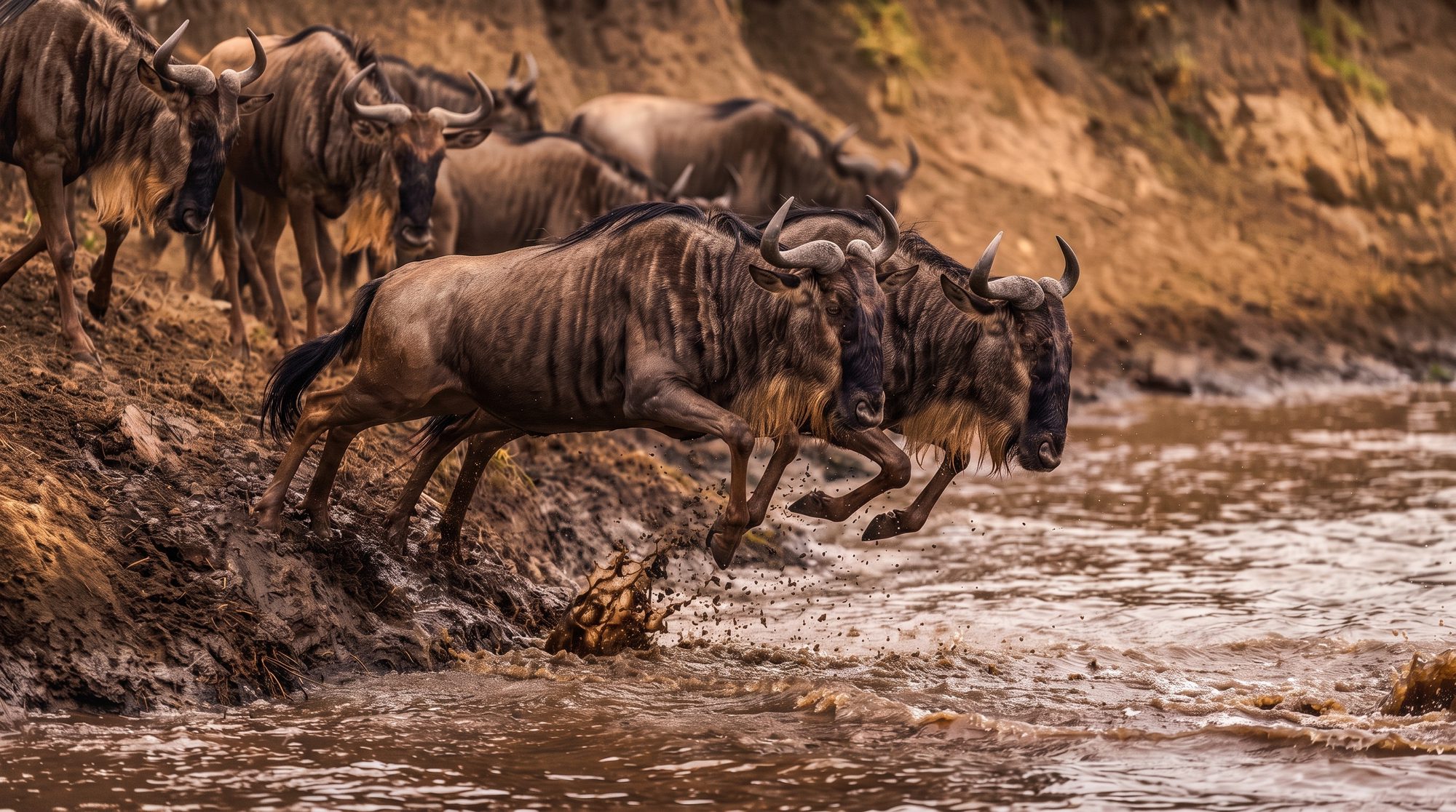
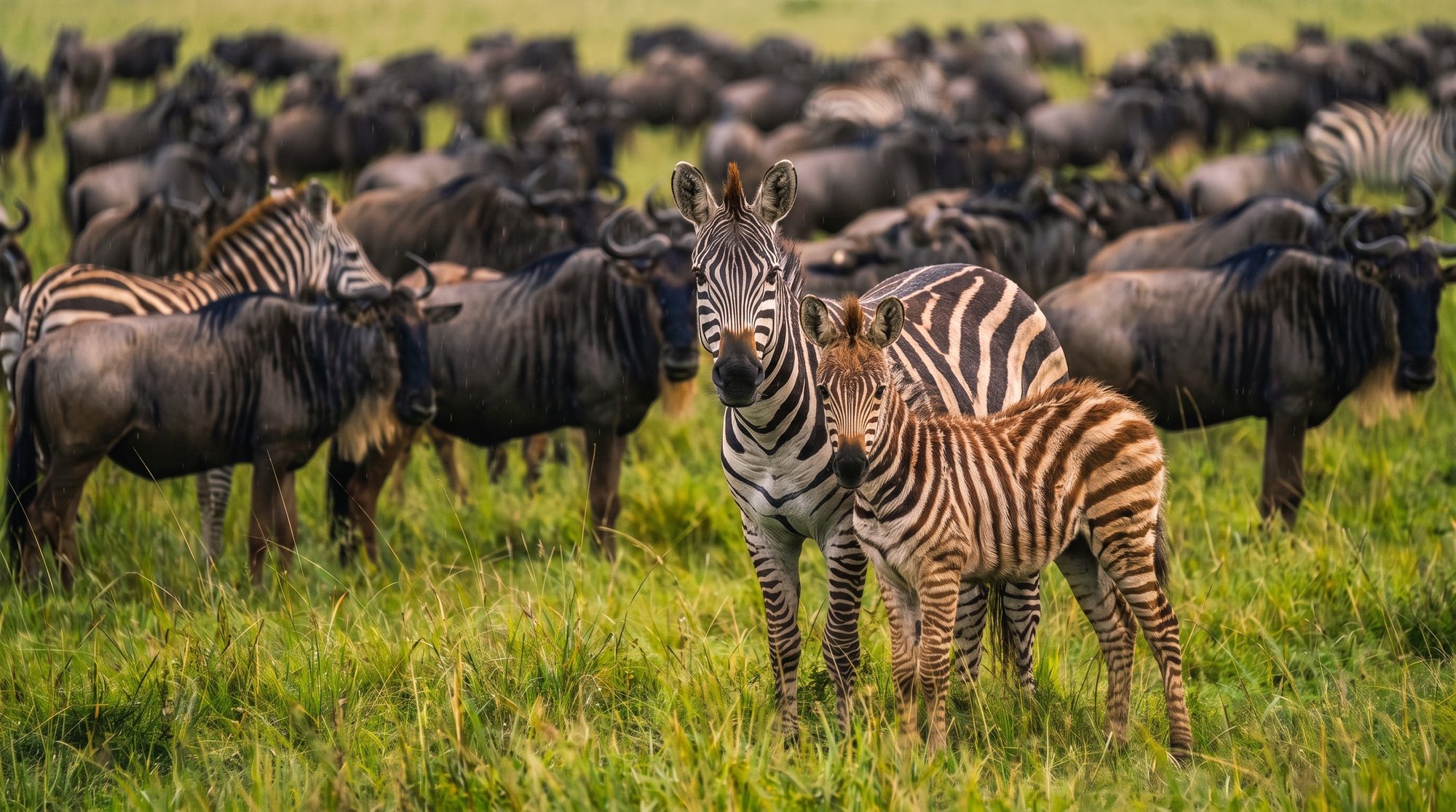
You can visit the Serengeti all year round, as many animals live permanently in the park. In the dry season between June and October the vegetation becomes more open, and the animals gather at waterholes, which makes viewing easier. From January to March the wildebeest calve in the Ndutu region in the south. The herds then graze on the short-grass plains. The first herds arrive as early as December, so the best time for Ndutu is December to March. As the year progresses, the herds move west and later north. Between July and October the river crossings in the north take centre stage. In the rainy season the landscape turns green, and the animals spread out over larger areas. Around Seronera many animals are resident all year round. The route of the herds through the park over the course of the year is presented in detail in the guide Great Migration in the Serengeti.
| Month | Weather | Animals |
|---|---|---|
Rainy season | ||
Dry season and more open vegetation | ||
Dry season in the north | ||
changing conditions |
Fees and rules
The park fee is 70 USD per person per day from 16 May to 14 March and 60 USD from 15 March to 15 May. Children aged 5 to 15 pay 20 USD, children under 5 pay no fee. 18% VAT is added. Safaris take place with experienced guides from the team in Arusha. Your guide speaks English and German. During game drives you usually remain in the vehicle and follow the rules of the national park. This keeps the safari safe, and the animals are not disturbed.
Getting there and combinations
You can reach the Serengeti on a safari from Arusha by vehicle or by domestic flight to one of the airstrips in the park. From Arusha it is 255 km to Naabi Gate at the edge of the park and 305 km to Seronera in the centre. In the north the Serengeti borders the Masai Mara in Kenya. You can combine the park with the Ngorongoro Crater, Tarangire National Park and Lake Manyara National Park. You can find suitable accommodation in the regions Northern Serengeti, Central Serengeti and Western Serengeti as well as in Ndutu.
Trips through the park
7-Day Serengeti & Ngorongoro Crater Safari
from 2,378 USD per personfor 6 people
12-Day Classic Tanzania Safari
from 3,354 USD per personfor 6 people
14-Day Big 5 Safari & Zanzibar
from 3,322 USD per personfor 6 people
11-Day Great Migration Northern Serengeti
from 4,178 USD per personfor 6 people
7-Day Big 5 Safari in Tanzania
from 2,546 USD per personfor 6 people
11-Day Great Migration Southern Serengeti
from 3,738 USD per personfor 6 people


Accommodation in the region
All accommodation in the region: Central Serengeti Lodges
All accommodation in the region: Northern Serengeti Lodges
All accommodation in the region: Western Serengeti Lodges
 Premium
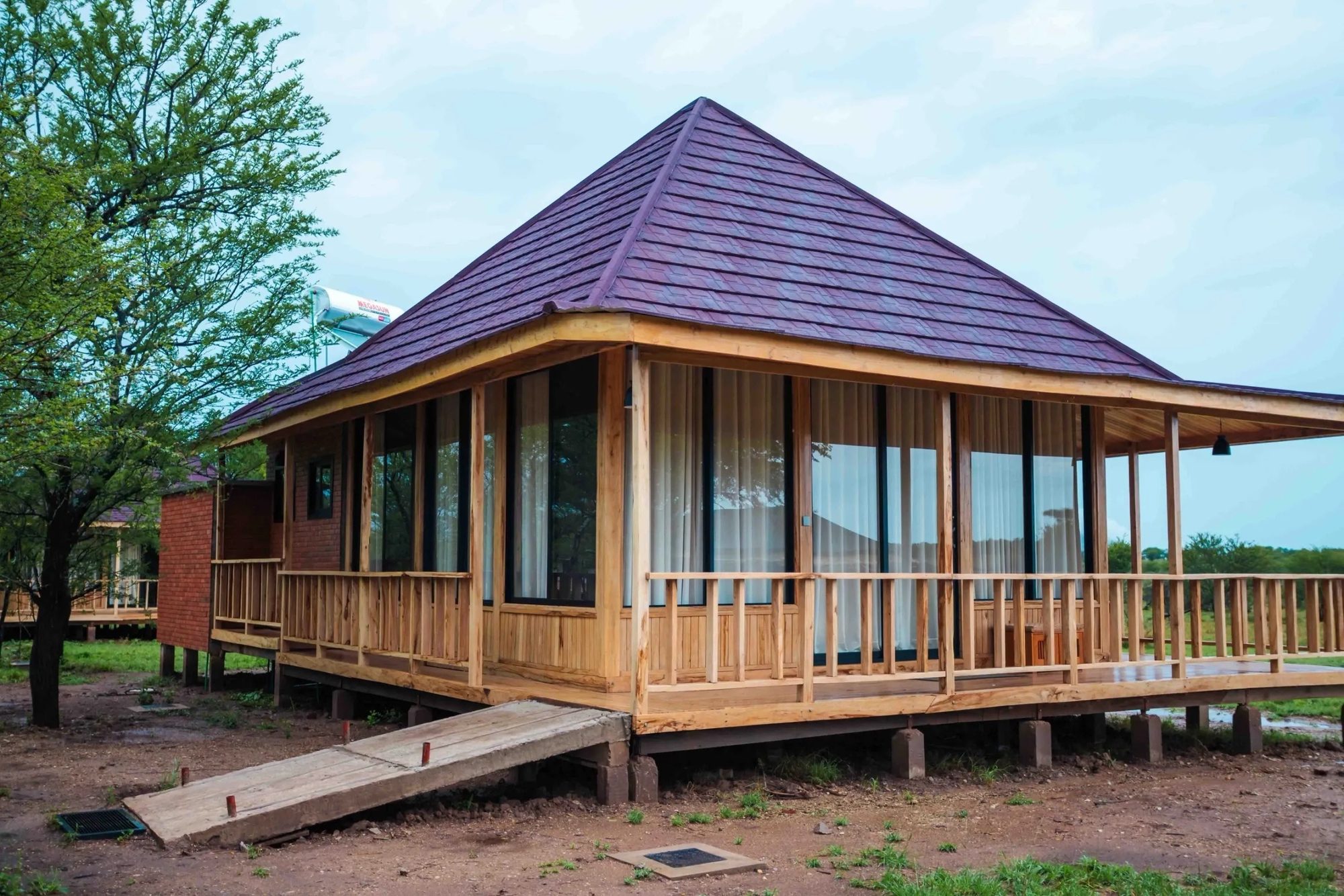
Arukore Simba Camp Serengeti