

Key facts
| Area | around 2,800 km² |
|---|---|
| Location and distance from Arusha | Northern Tanzania, south-east of Lake Manyara, 110 km |
| Getting there | about 2.5 hours from Arusha by vehicle |
| Park fee per person per day | 50 USD (16 May to 14 March), 45 USD (15 March to 15 May). Children aged 5 to 15 years 15 USD, under 5 years free. Plus 18% VAT. |
| Best months | June to October, January to February |
| Typical wildlife | Elephants, buffalo, zebras, wildebeest, lions |
| Where to stay | Tarangire lodges |
Highlights and wildlife
Across some 2,800 km², open grassland, gentle hills, river floodplains and savannahs alternate. Massive baobabs dominate the landscape of the park and are one of its best-known features. The park owes its name to the Tarangire River, which flows right through the area. It is considered the region’s most important year-round water source and supplies the animals with water even in the dry season. Then many smaller bodies of water dry up, and the river becomes the backbone of the park. Compared with the Serengeti and the Ngorongoro Crater, Tarangire is less well known and often remains quieter.
Tarangire is famous for its elephants. In the dry season, hundreds of animals often gather at the river, where they drink and bathe. Large buffalo herds, zebras and wildebeest characterise the savannah, along with giraffes, elands, waterbucks and warthogs. The greater kudu and the fringe-eared oryx are a real highlight, as both species are rare in the other parks of the north. Lions like to stay near the river, while leopards rest on acacias or in the baobabs. Hyenas and jackals are regularly out and about. More than 550 bird species also make the park one of Tanzania’s best national parks for birdlife.
Best time to visit
The best time for a safari in Tarangire is the dry season from June to October. In these months many waterholes dry up, and the game concentrates along the Tarangire River. The density of animals is then among the highest in Tanzania, and sightings are particularly easy. January and February also offer good conditions. In the rainy season the game spreads across the whole park, and sightings are less concentrated. Tarangire remains a worthwhile destination all year, however.
| Month | Weather | Wildlife |
|---|---|---|
Good safari conditions | ||
Dry season | ||
Wetter |
Fees and rules
The park fee is 50 USD per person per day from 16 May to 14 March and 45 USD from 15 March to 15 May. Children aged 5 to 15 pay 15 USD, children under 5 are free. In addition, 18% VAT applies. Alongside classic game drives, walking safaris are also possible in Tarangire. On these you walk with your guide through the baobab landscape and see the park from a different perspective.
Getting there and combinations
From Arusha, the drive into the park by safari vehicle takes about two and a half hours. The route covers around 110 kilometres, and the area lies south-east of Lake Manyara. Because of the short journey, Tarangire works well as the first or last park on a route through the north. You can combine your route with the Ngorongoro Crater, which complements the wide savannah of Tarangire with a dense concentration of wildlife in the crater. The Serengeti also fits well, as do Lake Manyara National Park with its groundwater forest and Arusha National Park.
Trips through the park
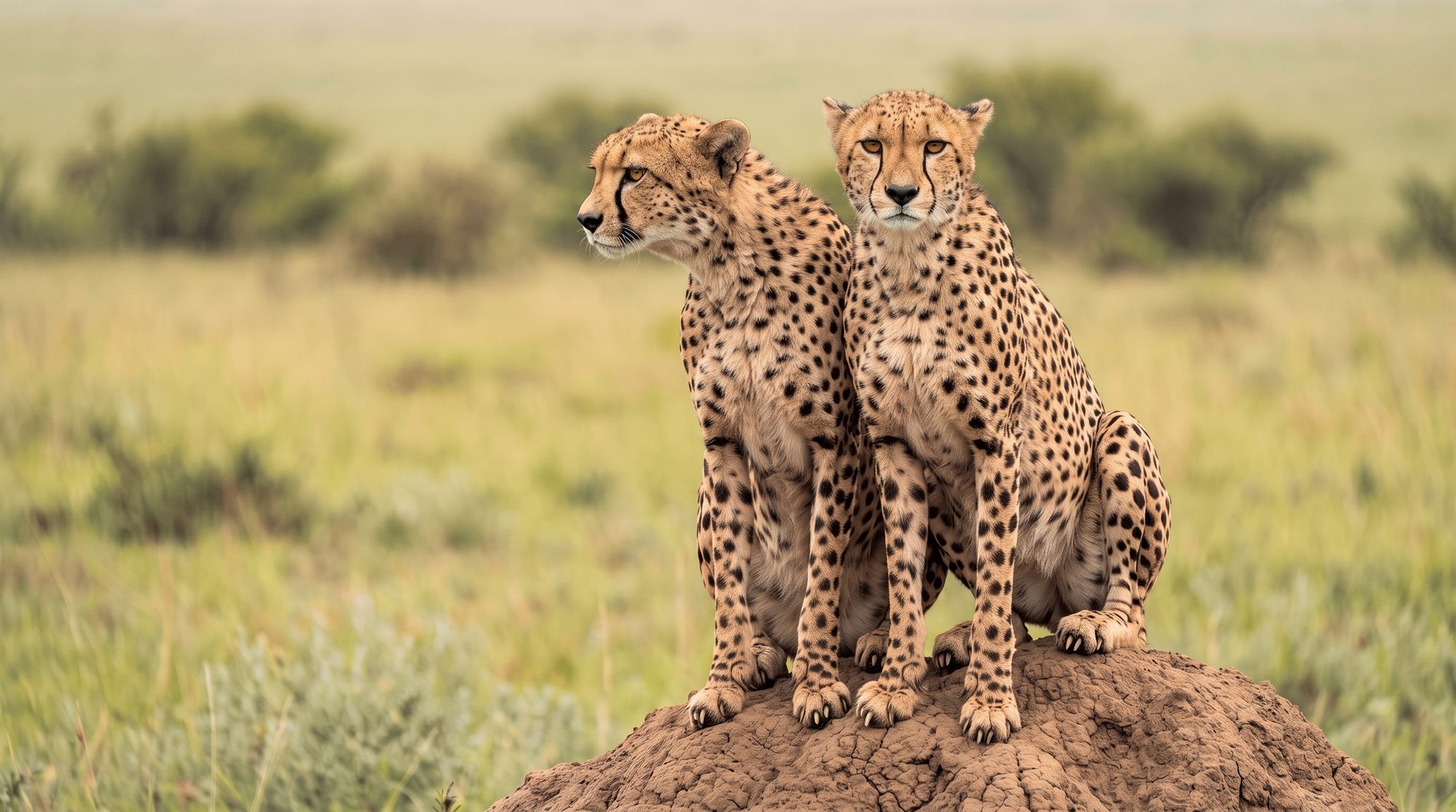
12-Day Classic Tanzania Safari
from 3,354 USD per personfor 6 people
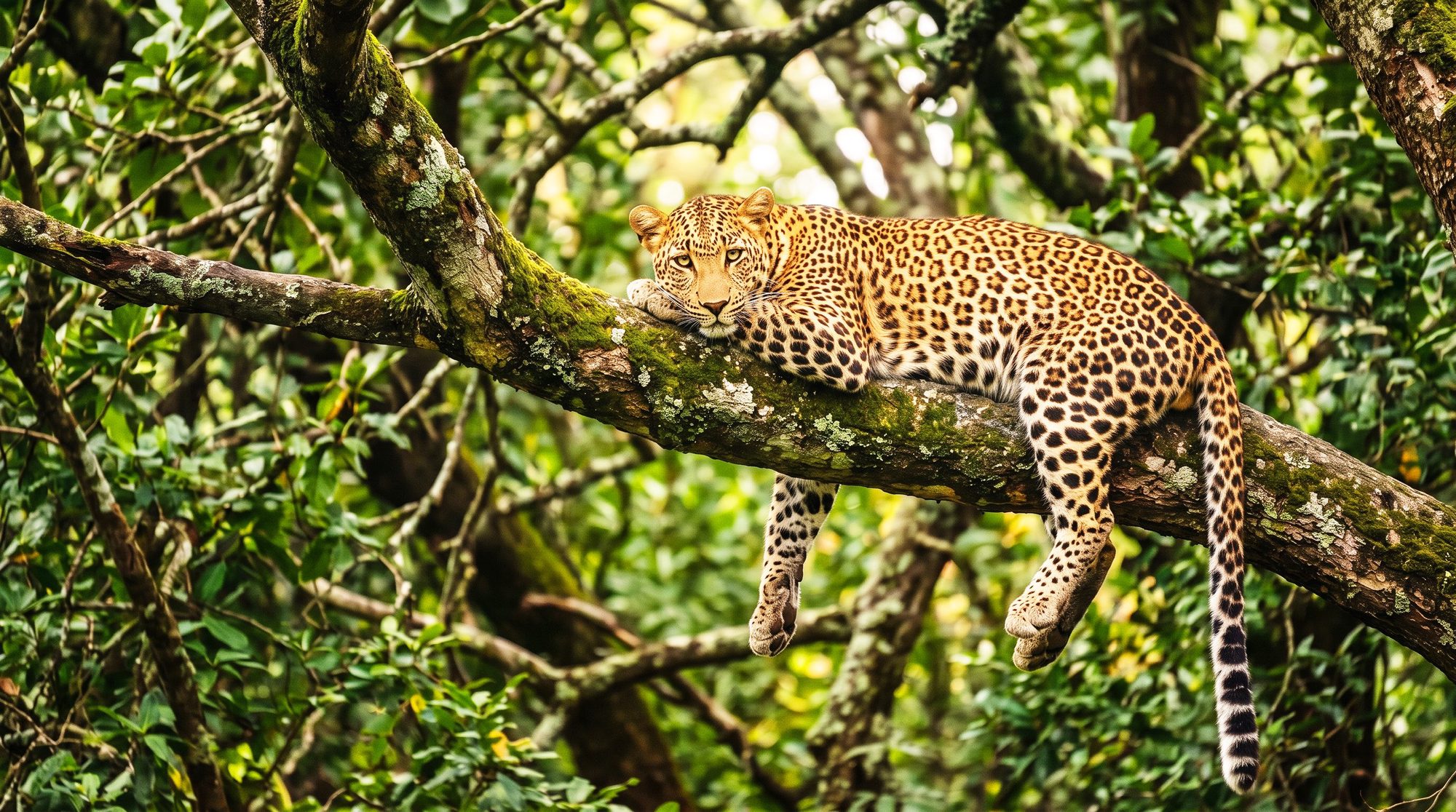
14-Day Big 5 Safari & Zanzibar
from 3,322 USD per personfor 6 people
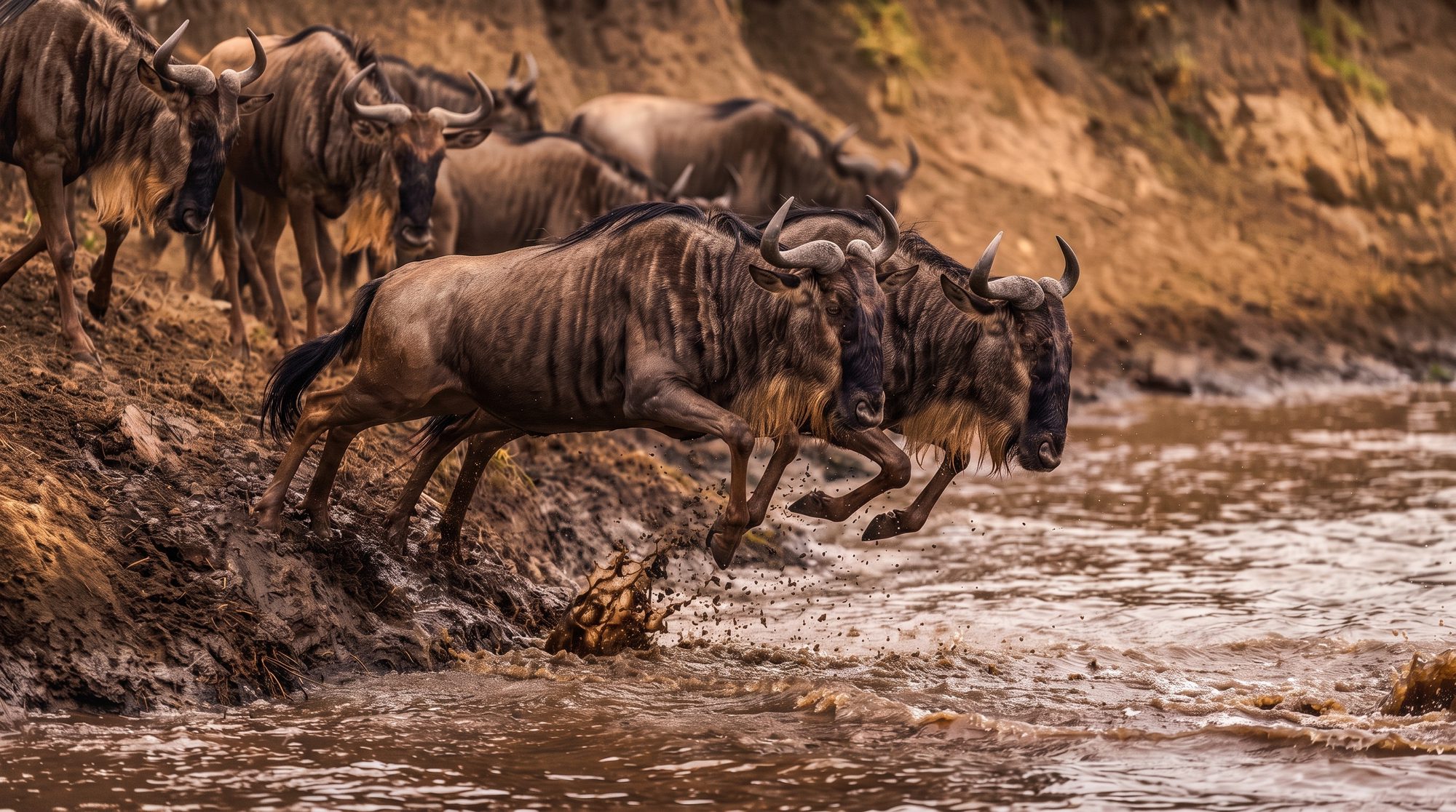
11-Day Great Migration Northern Serengeti
from 4,178 USD per personfor 6 people
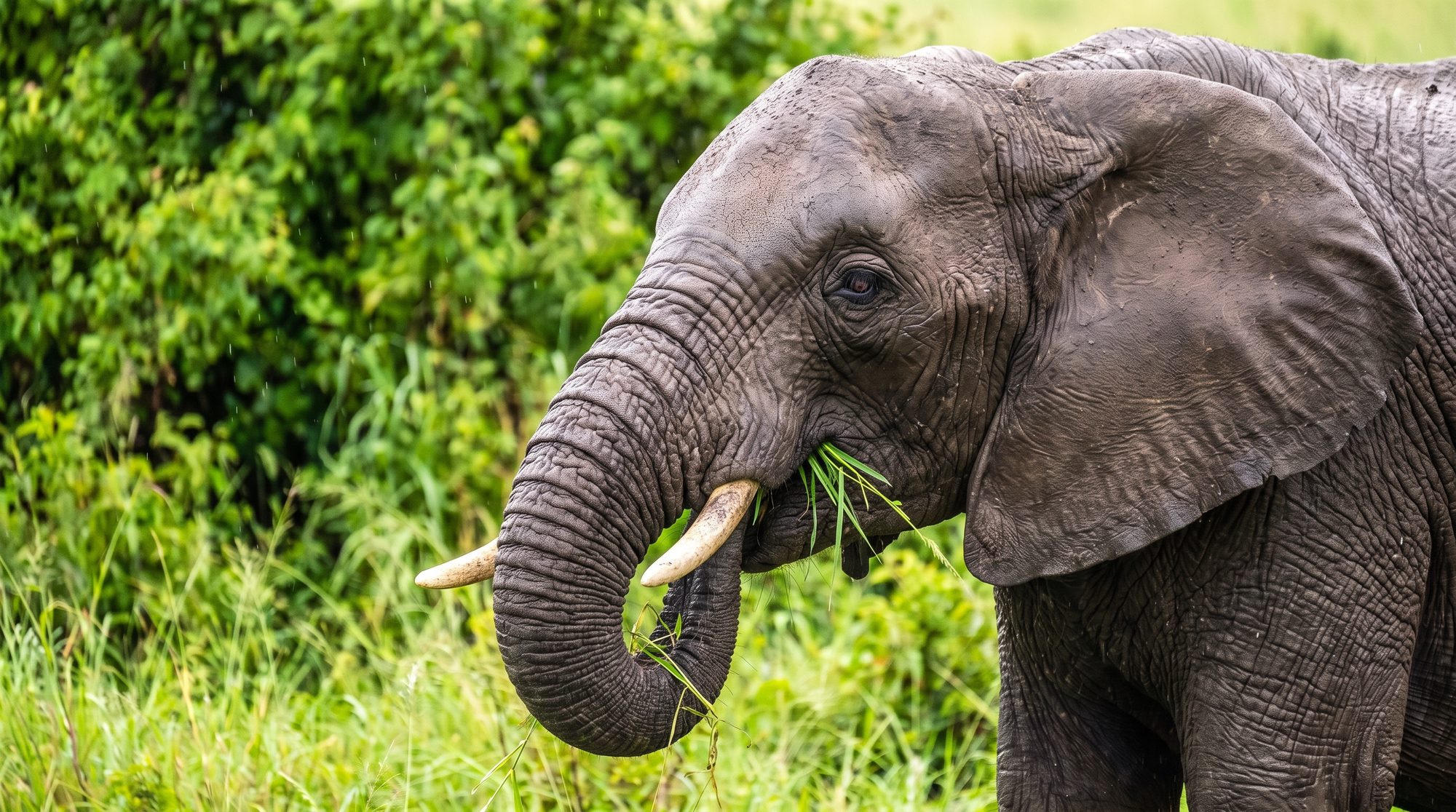
Tarangire Day Safari
from 361 USD per personfor 6 people
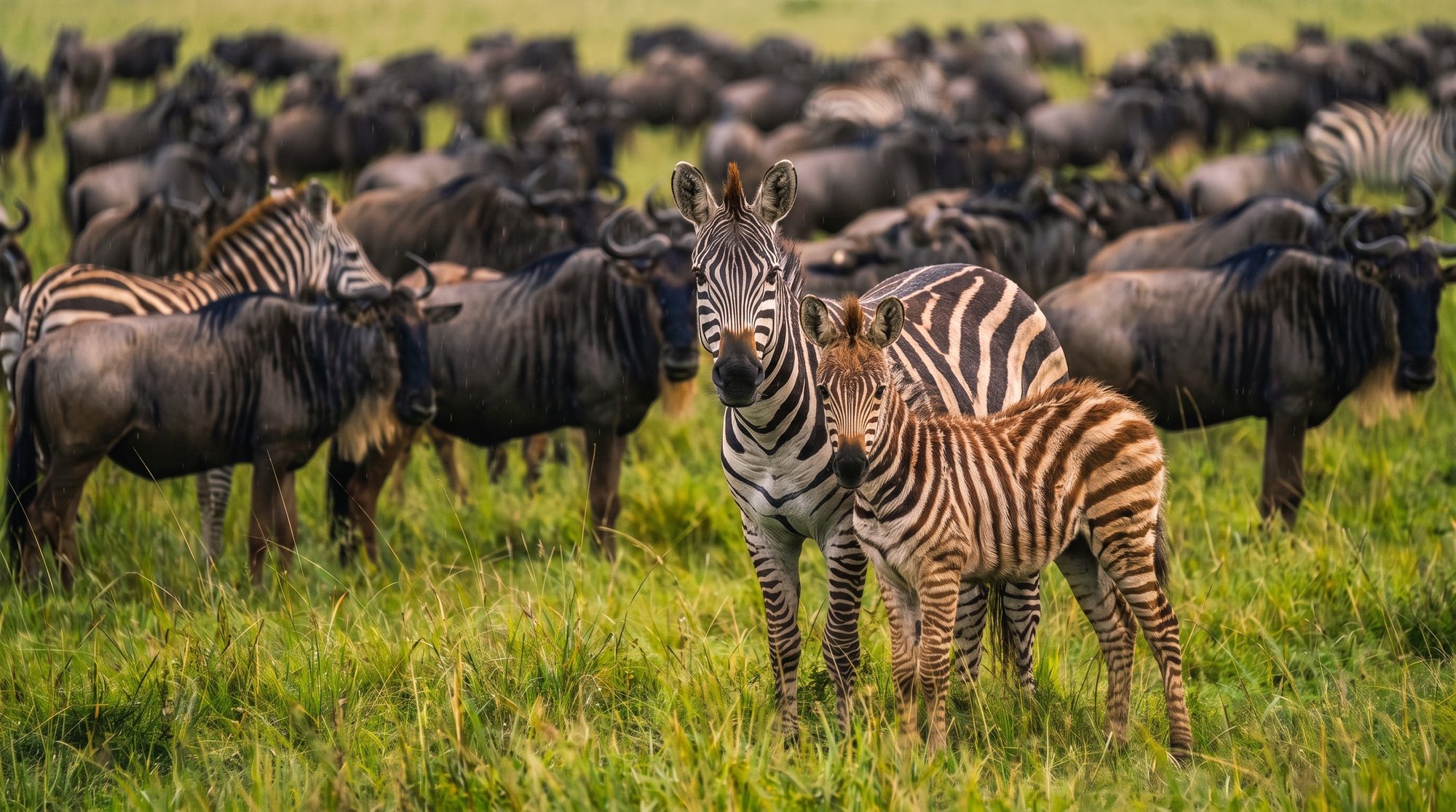
11-Day Great Migration Southern Serengeti
from 3,738 USD per personfor 6 people
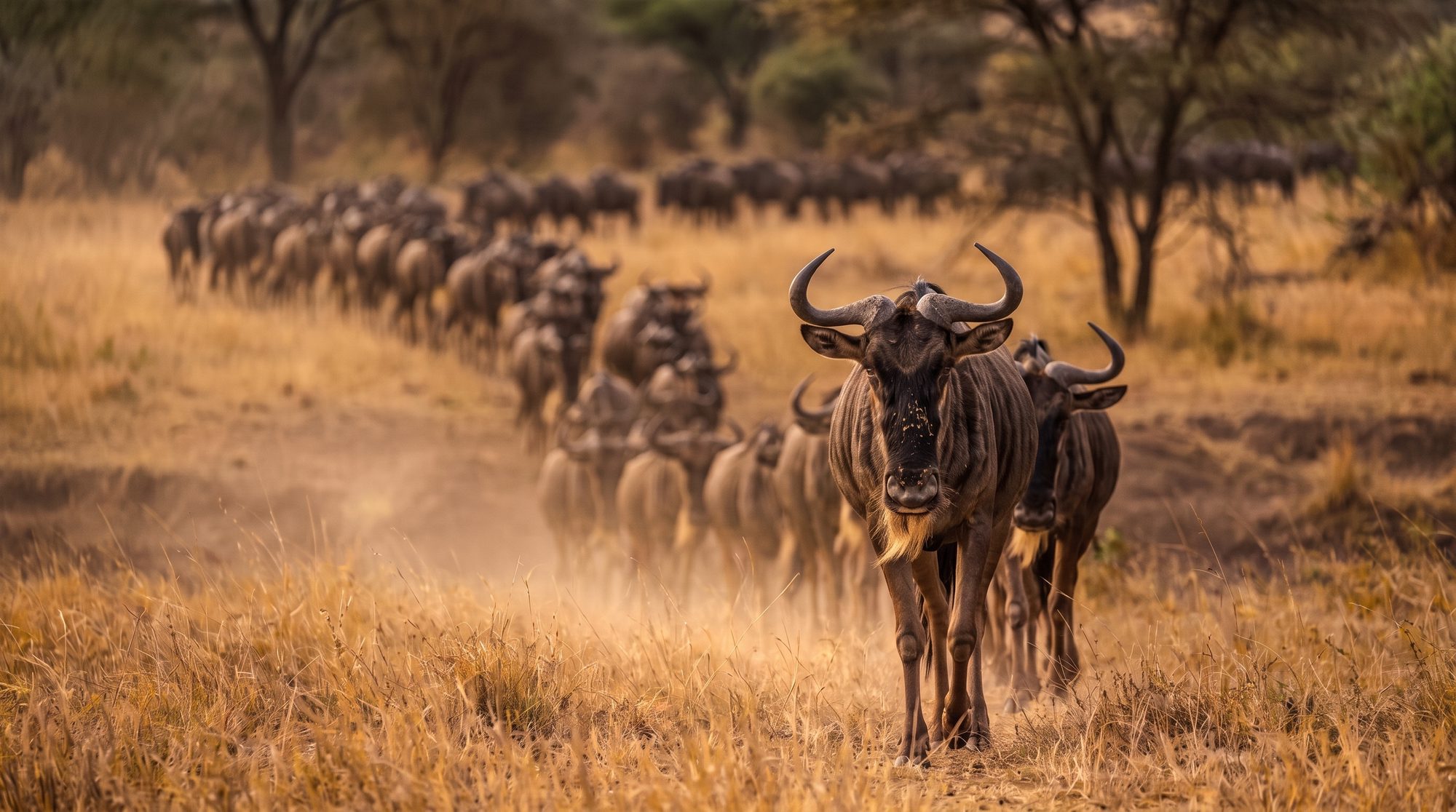
11-Day Great Migration Western Serengeti
from 4,183 USD per personfor 6 people


Accommodation in the region
All accommodation in the region: Tarangire Lodges
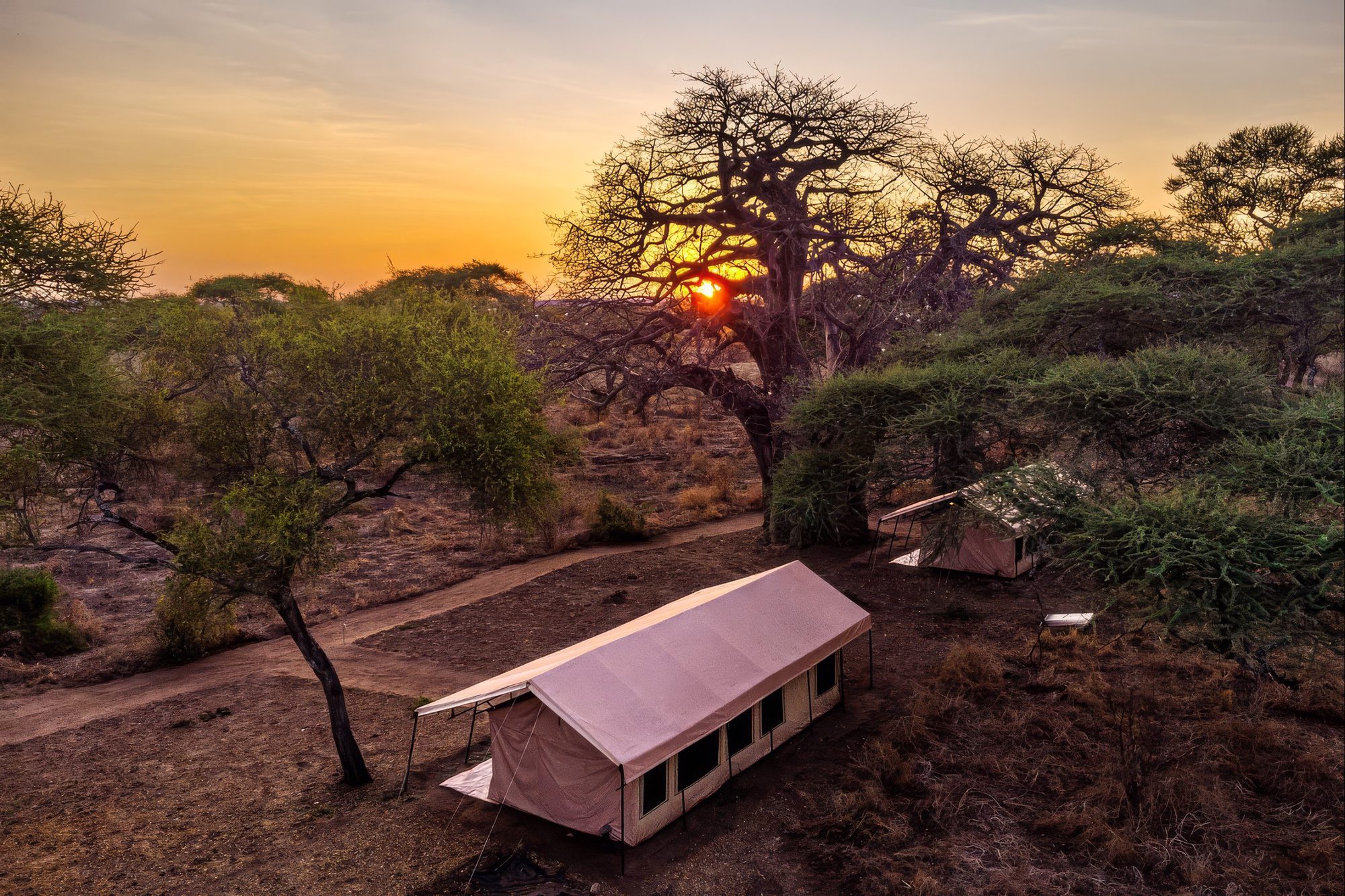 Premium
Baobab Tented Camp
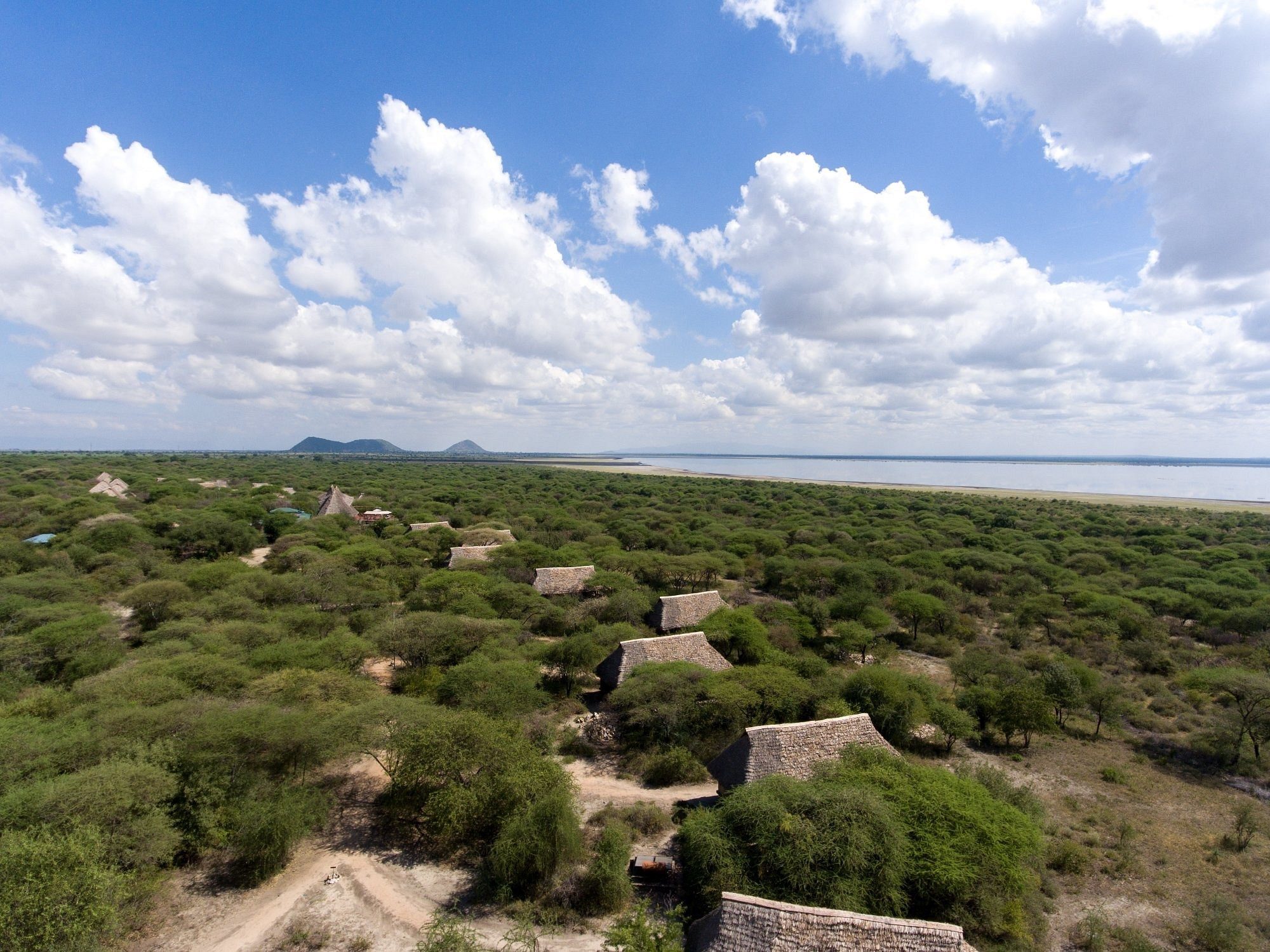 Premium
Burunge Tented Lodge
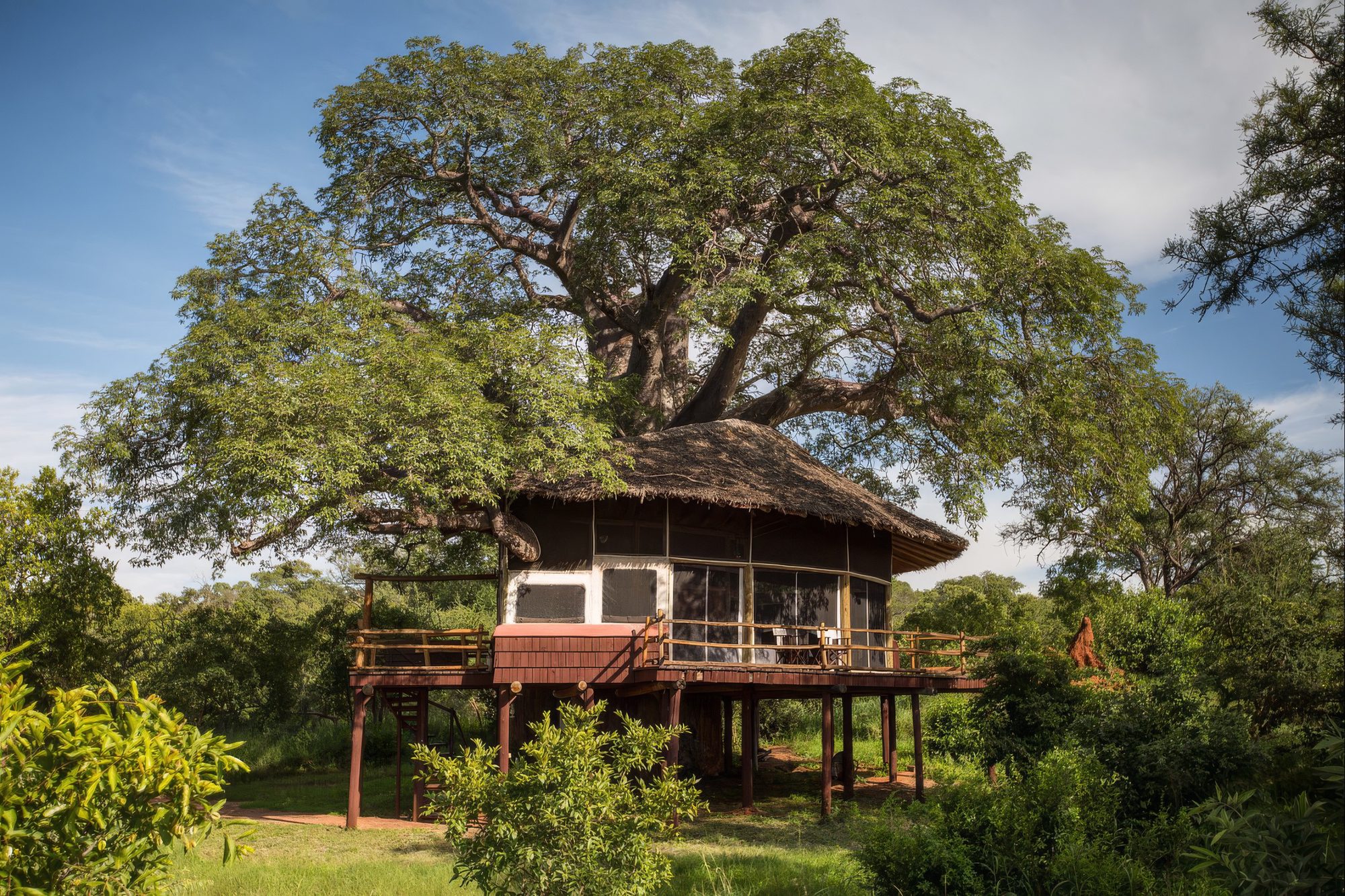 Exclusive
Elewana Tarangire Treetops